COOL LINK https://www.hiddenmelbourne.com.au/1856-2023-parliament/
or not
My source for most of this information was the wonderful “Victorian Interior Decoration: American Interiors 1830-1900” by Gail Casky Winkler and Roger W. Moss.
Interiors & Renovation
History Underfoot: Flooring in the 19th Century Home
https://www.brownstoner.com/interiors-renovation/history-flooring-19th-century-carpet-wood-parquet-linoleum-pine/
at some point print these out
NEXT VISIT TO SLV: BOOK AHEAD
where in queen st!!!!
APA citationANOTHER CASE AGAINST MRS. FORRESTER. (1876, September 30). Bendigo Advertiser (Vic. : 1855 – 1918), p. 3. Retrieved June 25, 2025, from http://nla.gov.au/nla.news-article88242475
From Cesspits to Water Closets: A Short History
This is only held in ACT/NSW I think I could try to order it in via SLV? Would need to ask librarian service. Would need to forward order.
allow maybe 2 weeks.
also, cesspits online search VIC only
https://trove.nla.gov.au/search/category/newspapers?keyword=cesspits&l-state=Victoria
BLOCHS
annabelle latin practice shoe – 1.5 inch heel stacked (3.81 CM)
| 1. Pre-design | The architect may help you prepare a project brief. The architect will provide advice about what is and is not possible on your site, any regulation and planning issues and your budget, along with a project schedule.At the end of this stage, you should broadly understand what is possible with your site and budget, and the architect should understand your requirements and objectives for the project. |
| 2. Concept/sketch design | The architect will prepare preliminary drawings based on your initial brief. The architect may revise the drawings based on your feedback if they agreed to provide multiple drafts in the client–architect agreement. These drawings may be sketches or more formal drawings.The architect may engage specialist consultants to better assess the restrictions and opportunities of your site.The architect will provide further advice about your budget at this time.At the end of this stage, you should be able to select a concept design for further development. |
| 3. Design development | Once you have chosen a concept design, the architect will refine it. At this point, more specialist consultants may join the project team, and you will review your budget again.At the end of this stage, you should have a preferred design for your project. |
| 4. Town planning application | Depending on the site and scope of the project, you may need to apply for planning permission from a land management authority, typically your local council. Planning permission generally considers how the proposed building interacts with the neighbourhood character and impacts the local area and neighbouring properties.The land management authority may advertise your application so people living near the site have an opportunity to voice any objections they may have to your proposed project. You may need to provide more information, make changes to your design, or apply for multiple permits for works (for example, demolition or subdivision). This process can be time-consuming, and your application may not be successful. |
| 5. Construction documentation | The architect will finalise your design and create additional drawings and documentation needed to apply for a building permit. They will check the drawings and documentation against relevant building regulations and the endorsed town planning drawings as required. During this stage, the architect will typically help you to find a builder to undertake the project.At the end of this stage, you should be able to issue architectural drawings of the project to prospective builders for pricing/tender. |
| 6. Tendering and contractor selection | The architect will respond to the queries and requests for information from the builders who wish to tender for the project. The architect will then assist you to select a builder and negotiate any post-tender variations – this could include costs savings, revised time frames, or changes to contract conditions.At the end of this stage, you should be able to appoint a builder to construct your project. |
| 7. Building contract administration | If the architect is engaged to administer the building contract, the role of the architect changes at this point. From here, the architect focuses on making sure you and the builder both meet your responsibilities as outlined in the building contract (between you and the builder).The architect may assist you appointing a building surveyor. The builder or the architect applies to the building surveyor for the building permit.At the end of this stage, you should have an occupancy permit or notice of final inspection issued by a building surveyor. |
| 8. Practical completion | Once the building surveyor has issued an occupancy permit, the architect will assess the building. They will determine if the works are complete and whether there any defects or incomplete works.If the architect determines that the works are complete and any defects are minor, they will certify that it is complete in accordance with the plans and specifications, although the builder will still need to fix any minor defects. If the architect determines that there are major issues, the builder must fix them prior to the building being certified complete.The architect’s certification of practical completion triggers the start of the defect liability period. |
| 9. Defect liability period (post-occupancy) | During the defect liability period, the builder must fix any identified problems that they are responsible for, according to the contract. The length of this period can vary, depending on what is agreed in the contract. The period extends if the builder doesn’t fix the identified problems in time.At the end of this stage, the builder should have fixed any incomplete or defective works.This phase typically ends with completion of the defect liability period. |
| 10. Final certificate | Once the defect liability period has finished, the architect issues a final certificate and the builder’s warranty begins – you are covered for six years for structural defects and two years for non-structural defects. |
guardian article of peter lermanis pics
.theguardian.com/artanddesign/gallery/2024/mar/09/melbourne-historical-photos-1960s-1970s-pentax-sv-photography-shots
court stuff
https://guides.slv.vic.gov.au/courtcases/lawreports
https://guides.slv.vic.gov.au/courtcases
street numbering system
slv:
The streets of Melbourne – by numbers
in Buildings & streets, Such was life
February 6, 2013 at 10:41
by admin
Something to write home about: Melbourne in 1852
in Ask a librarian, Victorian history
https://blogs.slv.vic.gov.au/our-stories/ask-a-librarian/something-to-write-home-about-melbourne-in-1852/?utm_medium=email&utm_campaign=3-10-24_SLV-News_Spring-24&utm_content=3-10-24_SLV-News_Spring-24+CID_cd881408155df3e16a6c1c1990b06265&utm_source=Campaign%20Monitor&utm_term=Read%20more
https://guides.slv.vic.gov.au/Victoriasearlyhistory/primarysources
September 9, 2024 at 09:00
by Kylie Best
http://romseyaustralia.com/houses.html
THOUGHT DUMPING
great audio files to fall asleep to
apollo 4 https://archive.org/details/Apollo4Audio
apollo 8 https://archive.org/details/Apollo8
apollo 9 https://archive.org/details/Apollo9
apollo 11 https://archive.org/details/AS11R01S1V1
apollo 12 https://archive.org/details/Apollo12Audio
apollo 14 https://archive.org/details/Apollo14
apollo 15 https://archive.org/details/Apollo15 there’s also this https://archive.org/details/591-AAA_Apollo_15_Mission_Audio.wav
apollo 16 https://archive.org/details/Apollo16
apollo 17 https://archive.org/details/Apollo17
70% of the land in Britain is still owned by 1% of the population, largely descended from William the Conqueror’s army
https://www.zmescience.com/other/shorties/70-percent-britain-land-owned-by-the-rich/
https://find.slv.vic.gov.au/discovery/fulldisplay/alma996337023607636/61SLV_INST:SLV
publicdomainreview.org/collection –erbario
Clint Fudge floor sanding I love this website
https://www.clintfudgefloorsanding.com.au/sanding-work/baltic-pine-floors
trades:

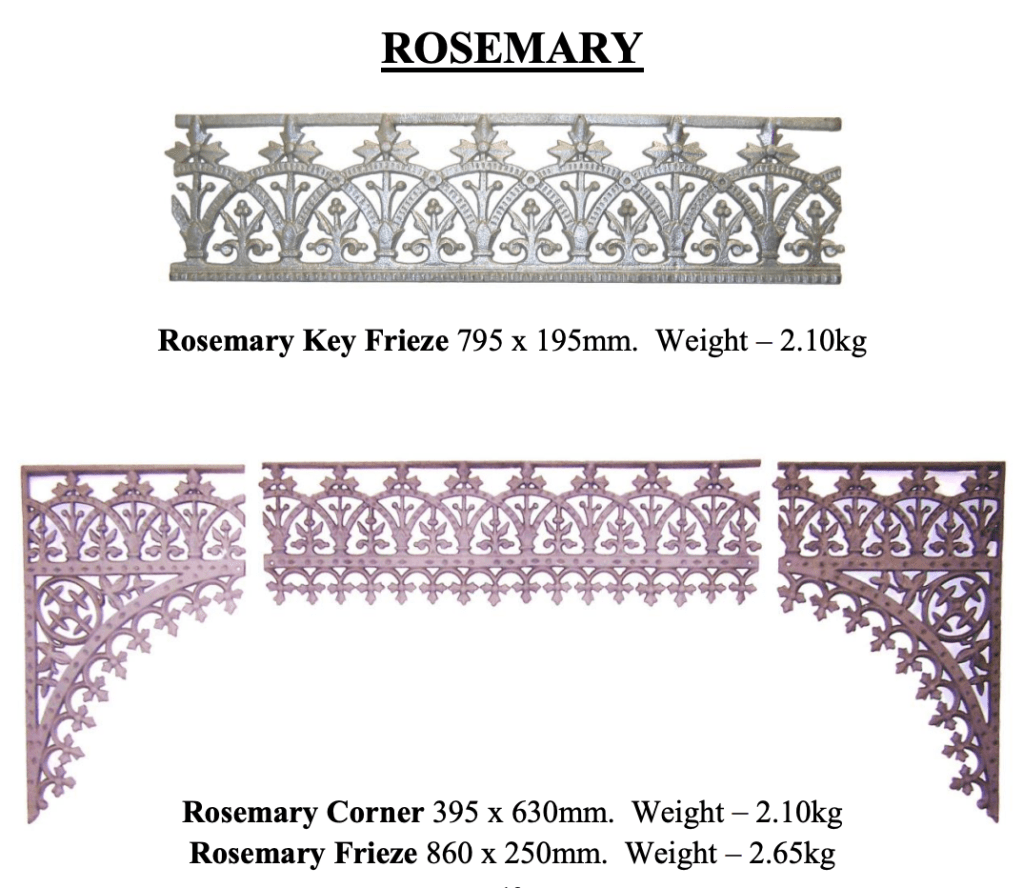
rosemary lacework:

PERMITS
You may need a planning permit and a building permit when you build a fence.
GENERAL VIBING
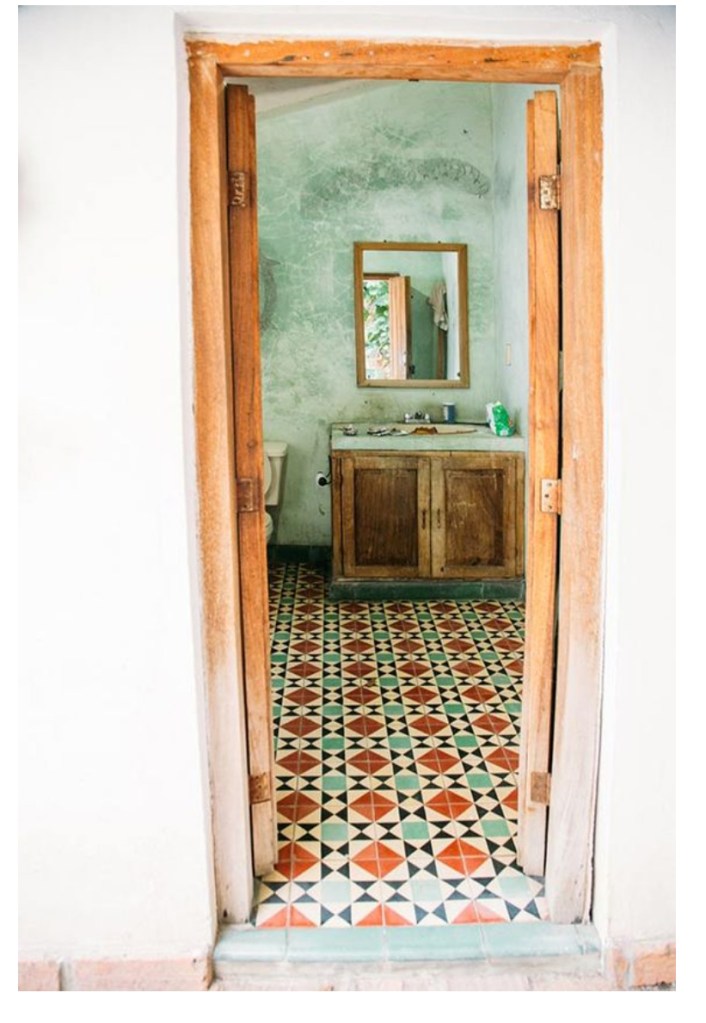
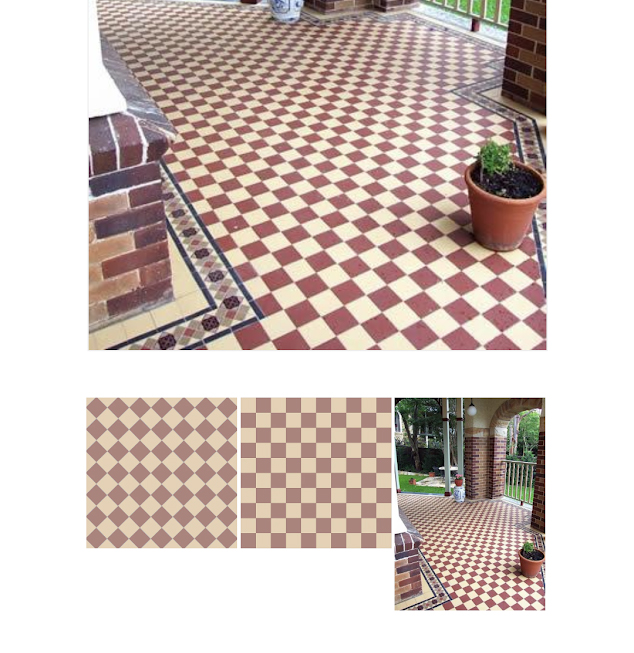
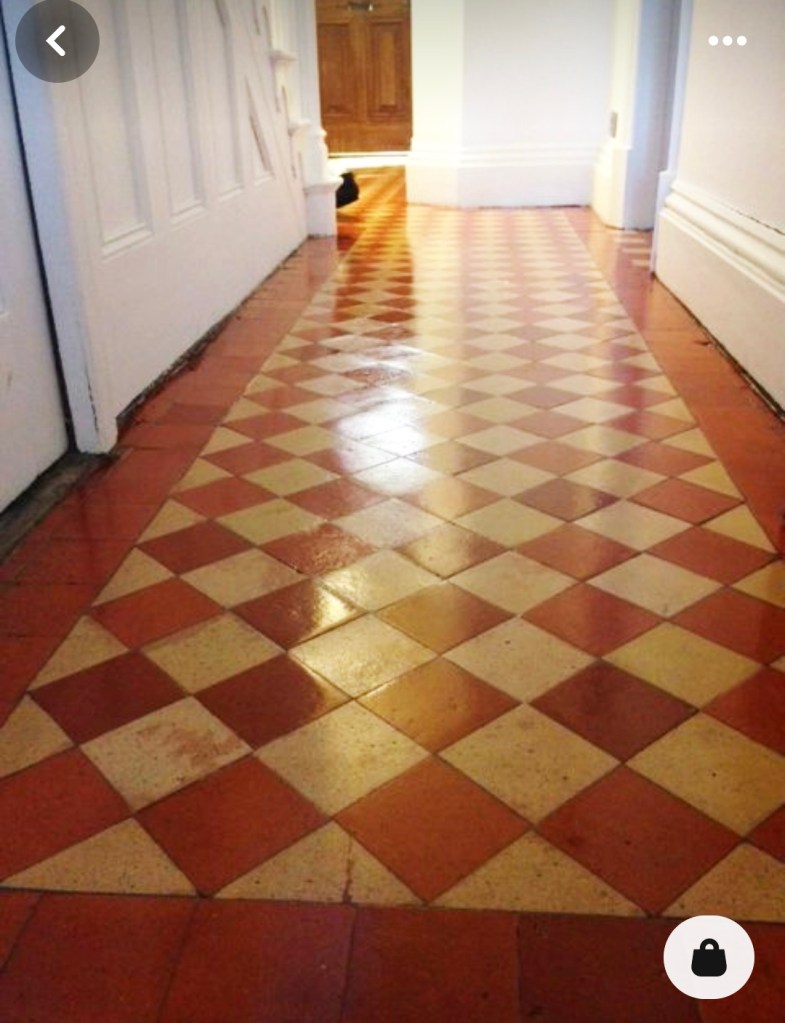
tiles:


http://www.oldeenglishtiles.com.au
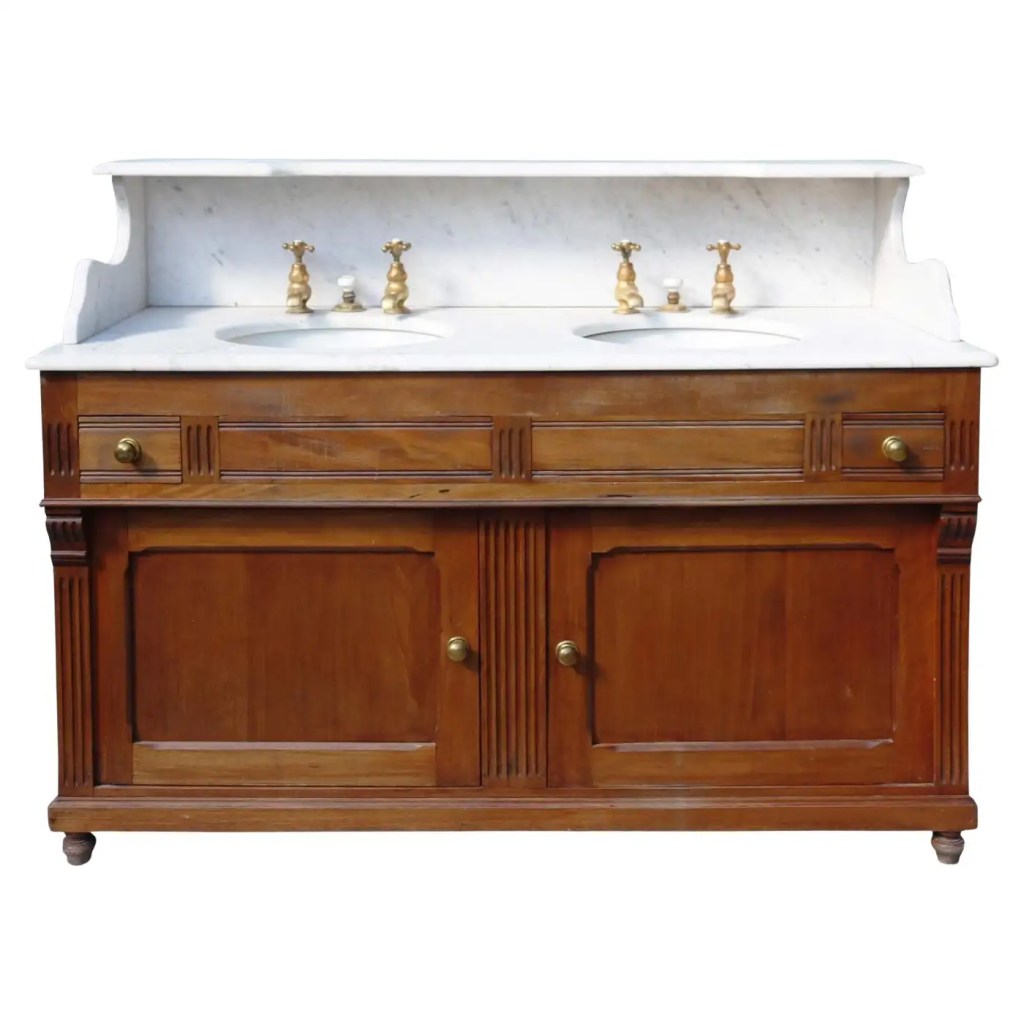
salvaged in UK:



1901 wallpaper sampler from NSW freeze:

Call No : FTC 747.3 WAL
Wallpaper sample from a book of wallpaper borders and friezes. Probably a merchant’s handmade sample book, created from a blank drawing book or scrap book
weFDJNWF;KANRFKJANERFJN
AESFKAWJENFAKERFNAKERFNAKEJRNFALKJERFNAKJLERNFLAKJERNFLKAJERNFKAERNFKAJERFNAKERFNAKERFNAKERFNAK;ERJNFAK;ERFNAE;RKFJNE;KARFN
 burrows & co