SHOW US YOUR SUBFLOOR!. Baltic pine flooring but only for west half of this living space.
Exposed bluestone is not an original feature, it’s a romanticisation of original wall. Origonally, it would have been a lathe and plaster internal wall as per the hallway underneath it’s modern plaster board. Other parts of the house had the same. This area’s bluestone wall, with its bits of sandstone offcuts and random bricks, was never meant to be visible and has been exposed via water pressure probably from a 1980s reno.
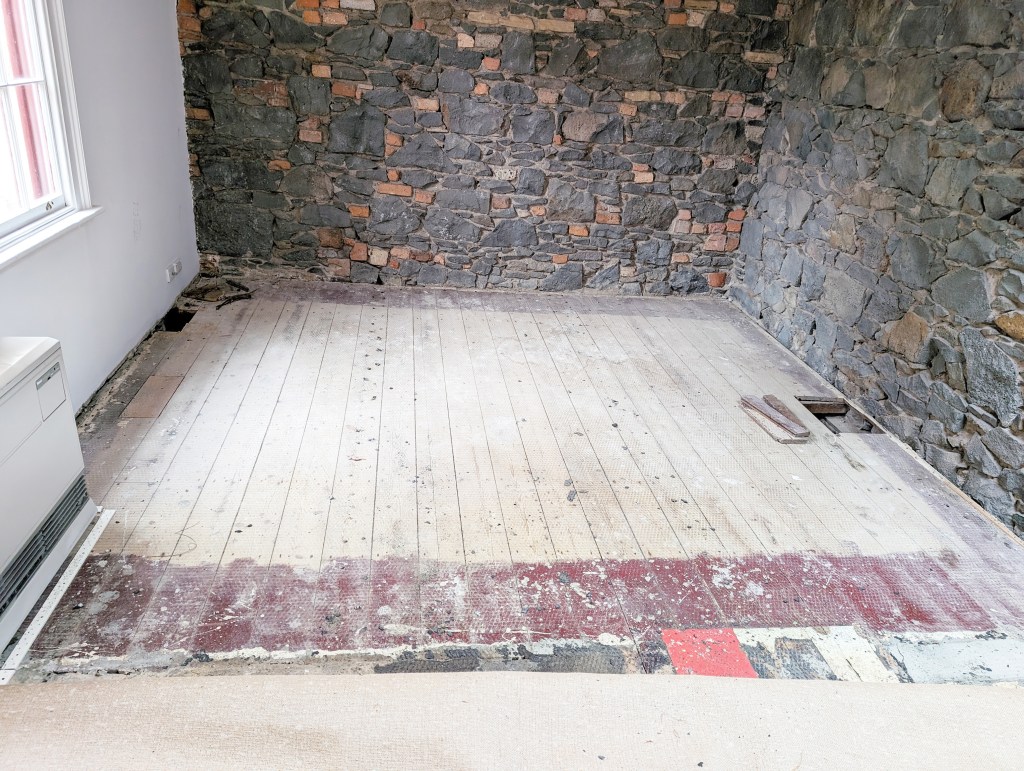
-I would have expected a japanese black edging painted on the floorboards but instead is what might have originally been an indian red: it’s a maroon now, I wonder if this is due to the darkening/aging of the paint.
During the 1860s, floors painted in Indian reds and deep blues became fashionable. source: Timber Floors by Jasper Weldon, http://www.buildingconservation.com
The subfloor, which is kind of not really a subfloor at all, just ground:
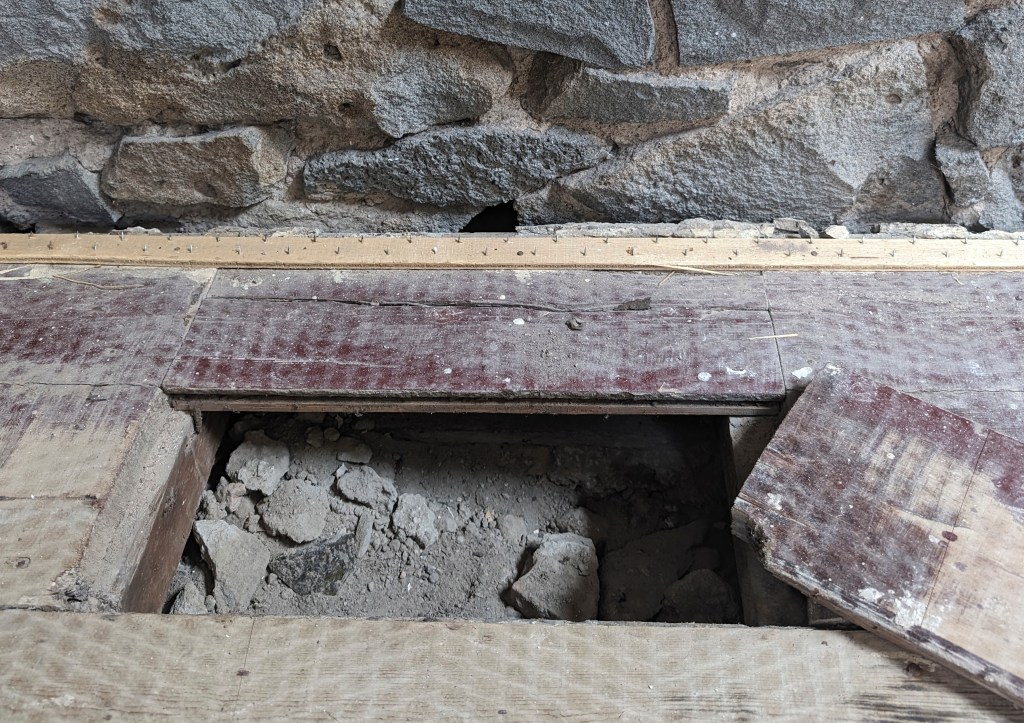
first thing you see…
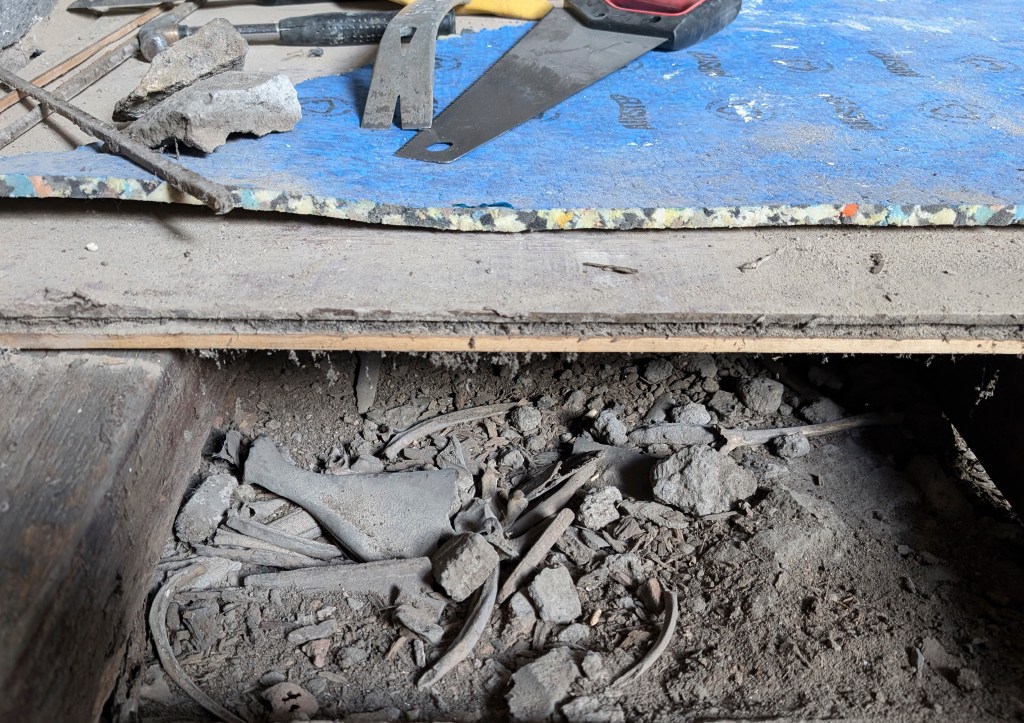
That’s a shoulder bone you’re looking at, well I think it is, and when you place it up against an adult’s back it’s a perfect fit.
How everything was, just under the floorboards, undisturbed, with the finest grey silt dust.
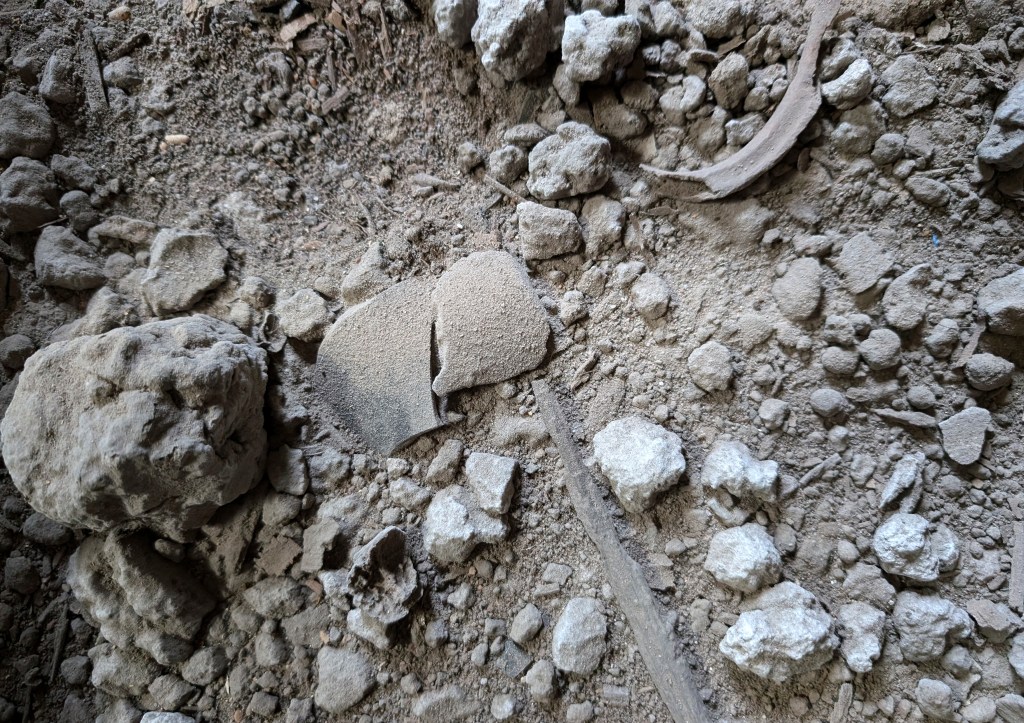
There’s no known murders, missing people or baby farming from the house that I know of, but the ribs have a really human quality to them as well – they tuck right snug against your chest perfectly.
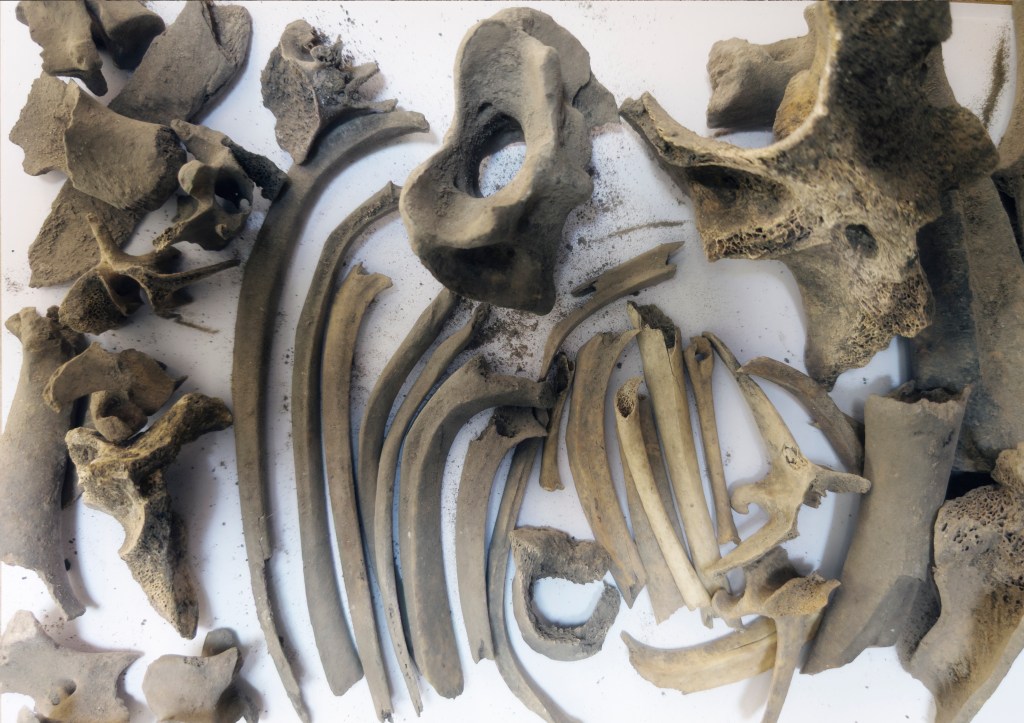
There’s solid vertebrae that are in the mix that are also unnerving.
I’ve found knucklebones from the hindquarters of goats or sheep that children used to play with, just like at Little Lonsdale sites.
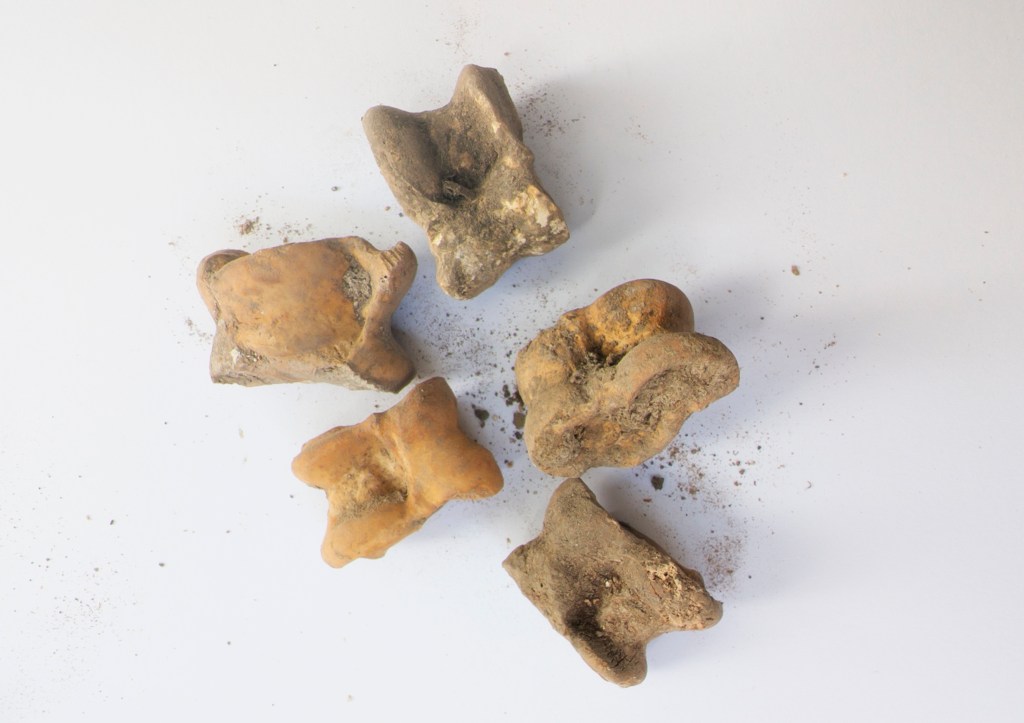
I have found several jaw bones from what look to be a sheep or fox head too. I just keep wondering how far back in time do these bones go? Are they from goat or sheep originally kept on the land from the 1850s. I have to imagine everyone was keeping goats on these parcels of land, at least for milk, and to keep grasses and weeds down, at the back?
COAL
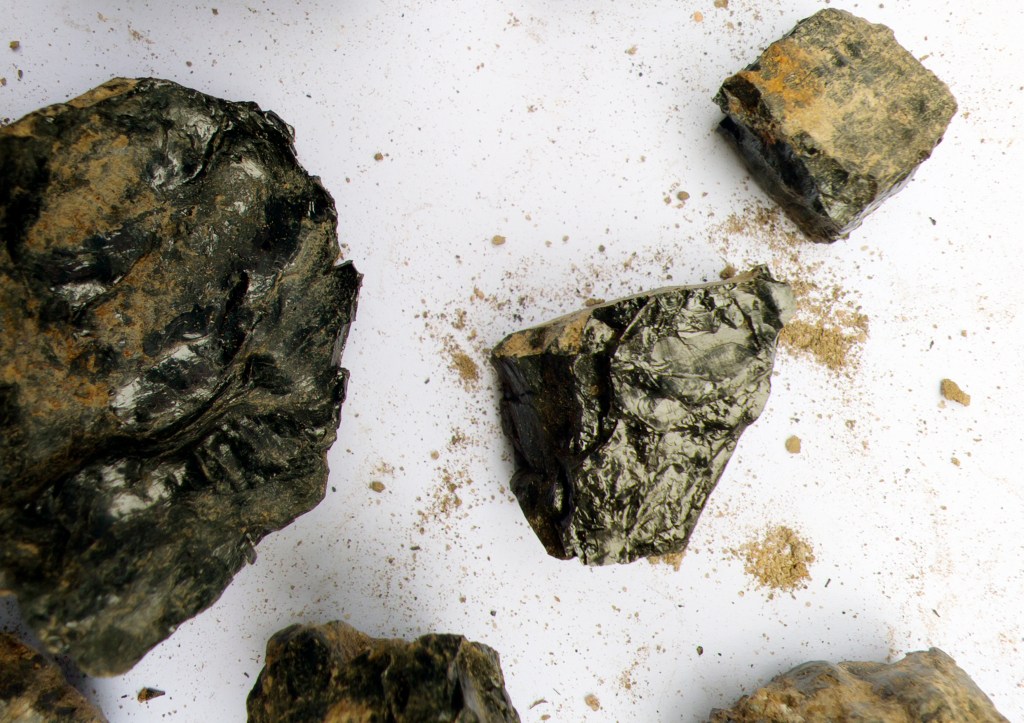
I have found so much coal.
Normally it’s black and dirty but because this has all been burnt it’s quite clean and shiny.
I think that I’ve dug through either fire pits or where coal and ashes have been dumped or both.
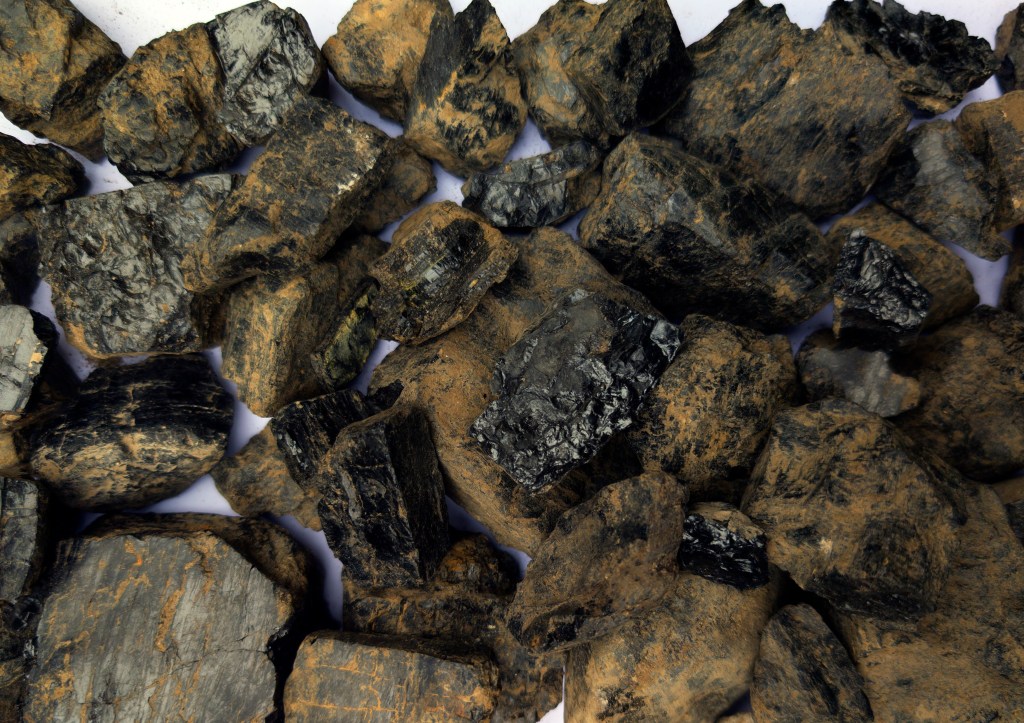
This house must have, at one point, had an open kitchen fire to cook with (1850s onwards), and the surviving fireplace in the house must have initially have been a wood fireplace because of the chimney depth, then the grate refit to just exclusively burn coal possibly in the 1880s.
The surviving fireplace in the livingroom may have originally been recycled from the bedroom. I have a theory that when the bedroom fireplace was removed, the grate and mantle were reinstalled in the kitchen area and the old kitchen fireplace, which would have been used for cooking, would have been replaced by an oven/stove again maybe in 1880s. (when they became new mainstream kitchen technology -i need to cite coal book here)
Any kind of horseshoe design fireplace like pictured below is a coal one, with a raised grate for air flow and a shallow cast iron back, to throw as much heat out as possible.
Here’s a coal fireplace from an English 1850s manufacturer’s catalogue it’s the closest I can find that is comparable to the one at Webb St, but doesn’t have the same unusual rounded horseshoe design.
(source The English fireplace : its advantages, its objections, and its rivals : considered with a view to utility and economy.
by Alexr. Boyd & Son London, c. 1850 viewed online https://archive.org/details/JohnBumpusCCA22506)
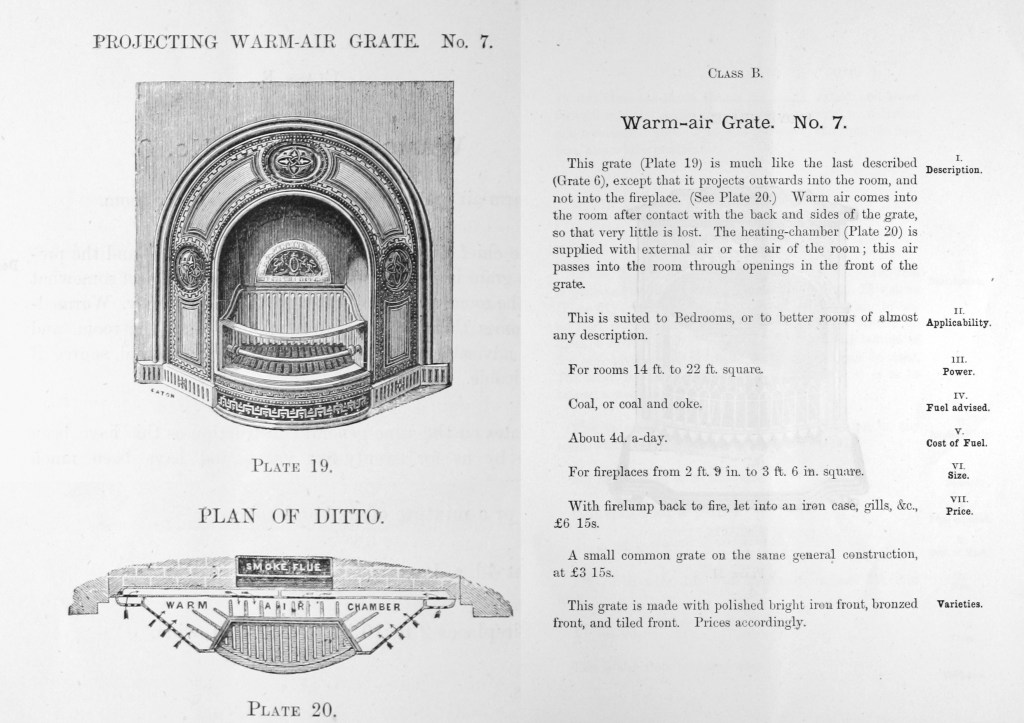
…this booklet show how these design is exclusive for coal fires and how much it would take to run for a typical household day of 12 hours.
WHERE TO BUY IT
Maybe you could buy a week’s supply of coal at a time from the factory across the road, on mates rates. There was also home delivery services, and of course local coal merchants. O.H. Green was on Smith St probably I think around the space where Woolworths is. Here’s their an ad from The Mercury in 1876
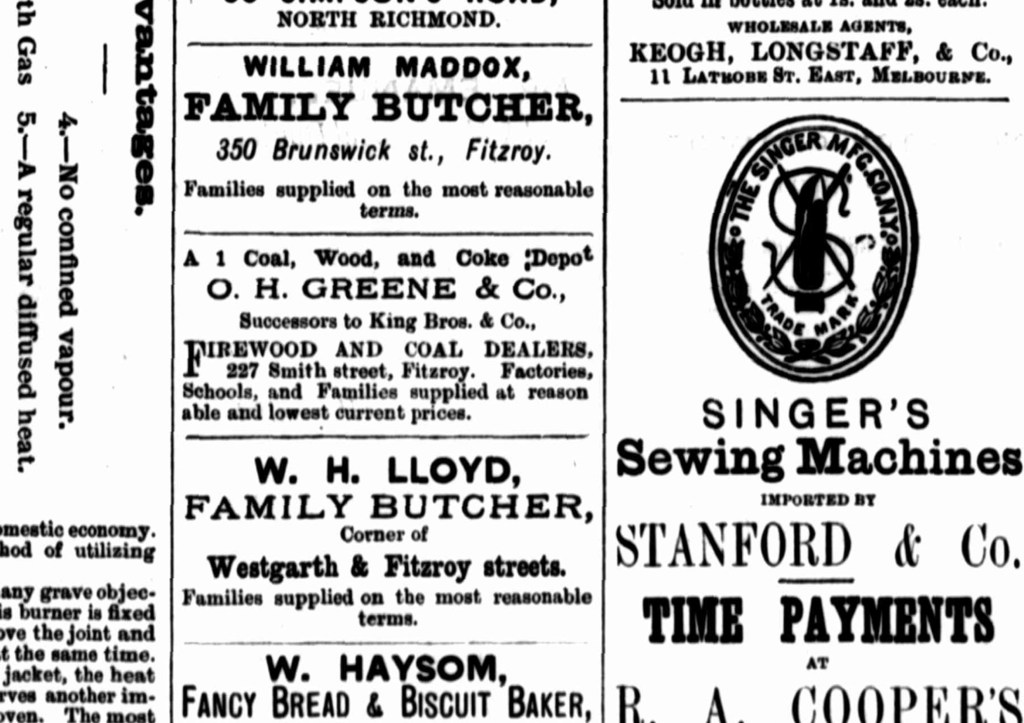
source: Advertising (1876, January 29). Mercury (Fitzroy, Vic. : 1875 – 1877), p. 1. from http://nla.gov.au/nla.news-article58153376
EARTHERNWARE.
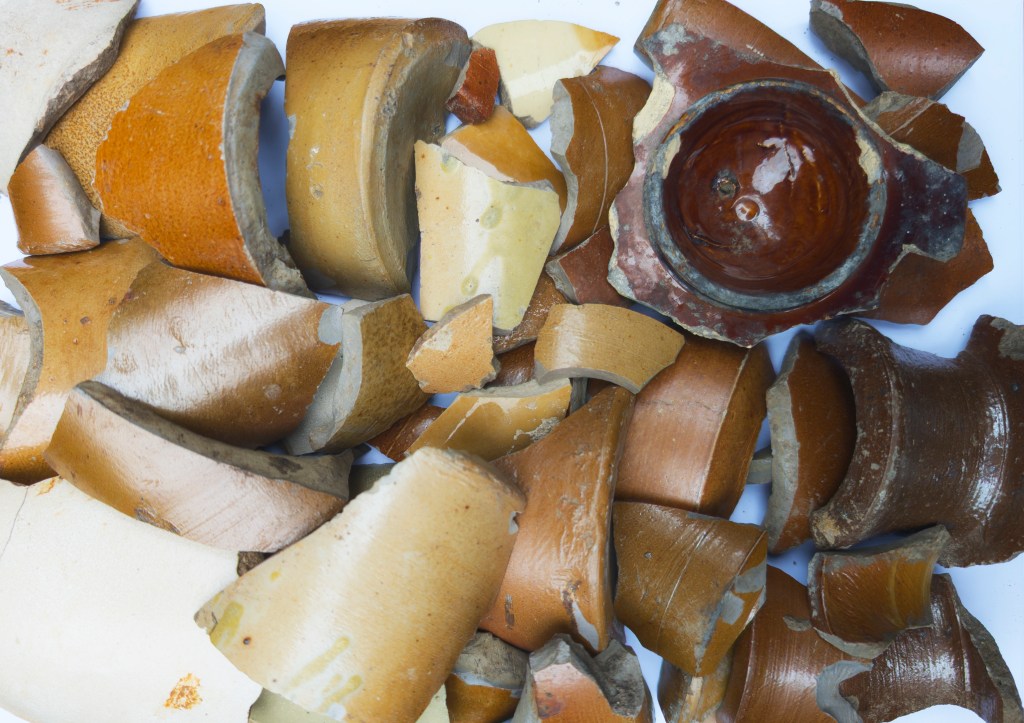
It’s all broken shards.
But here’s what these pieces may have looked like before turning into landfill:
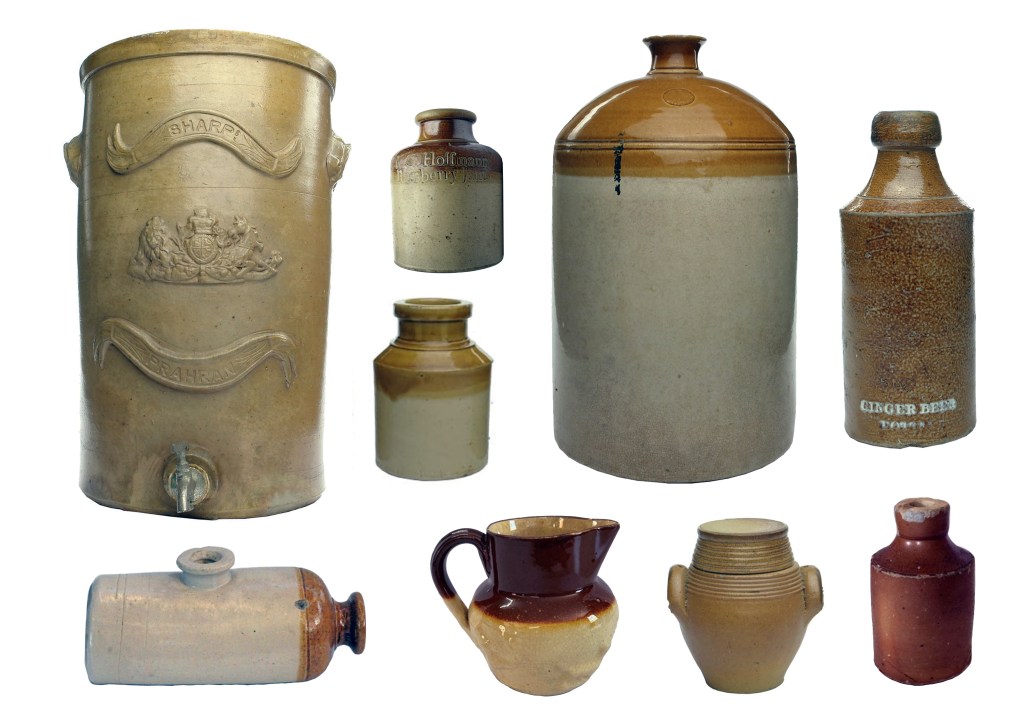
all salt glazed earthenware from around 1870s australian collections
TOP L-R
1870s Water Filter to help purify the yan yean water that would be getting delivered to the front of your house each day.
A jam jar c.1850s-70s, and below that, a miscellaneous jar.
A demijohn – for fermenting or storing wine or, for some families, just keeping water. (slight cheat, this one from the 1880s).
An 1870s Ginger beer bottle
BOTTOM L-R
A hot water bottle to rest your feet on, or put in your bed.
An 1860s Milk jug probably from a set.
A Mustard jar with it’s lid intact.
An ink bottle c.1870 – 1890.
BROKEN BOTTLES
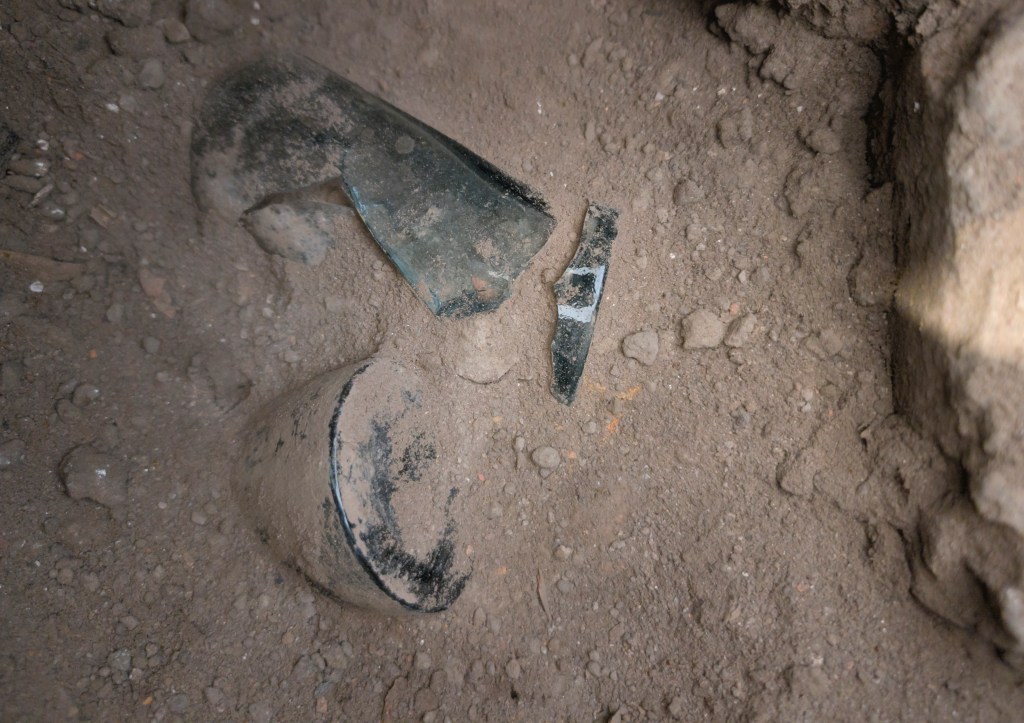
below, the same fragments out of the dirt and with ONE intact identical bottle found close by. The ONLY intact bottle from the entire house. Both from the western bedroom.
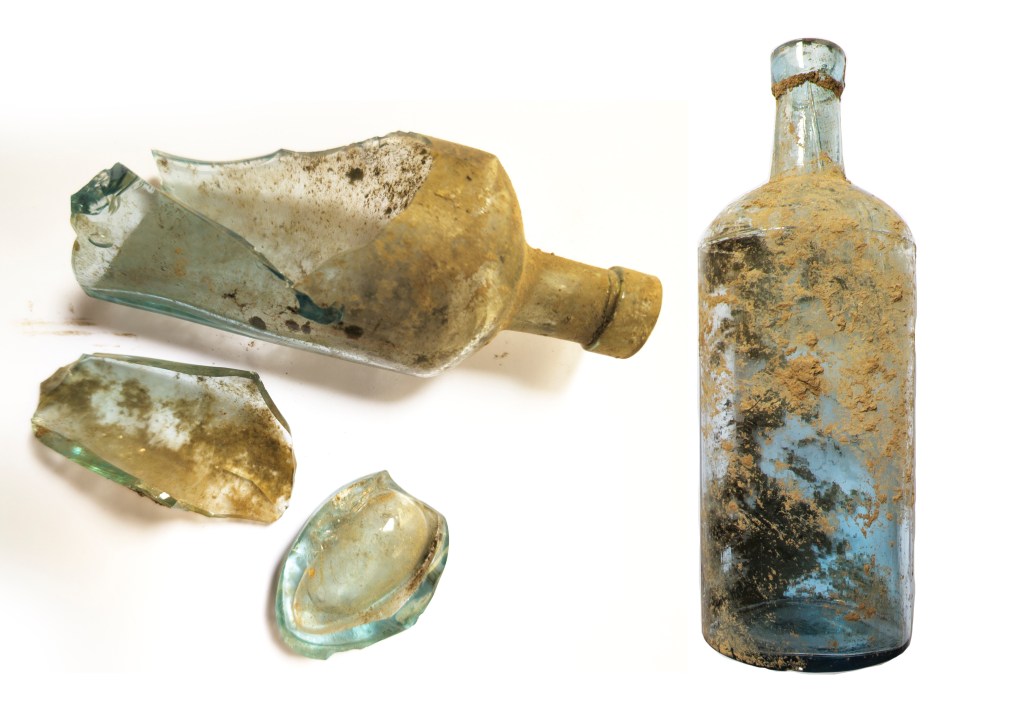
BROKEN GLASS SHARDS
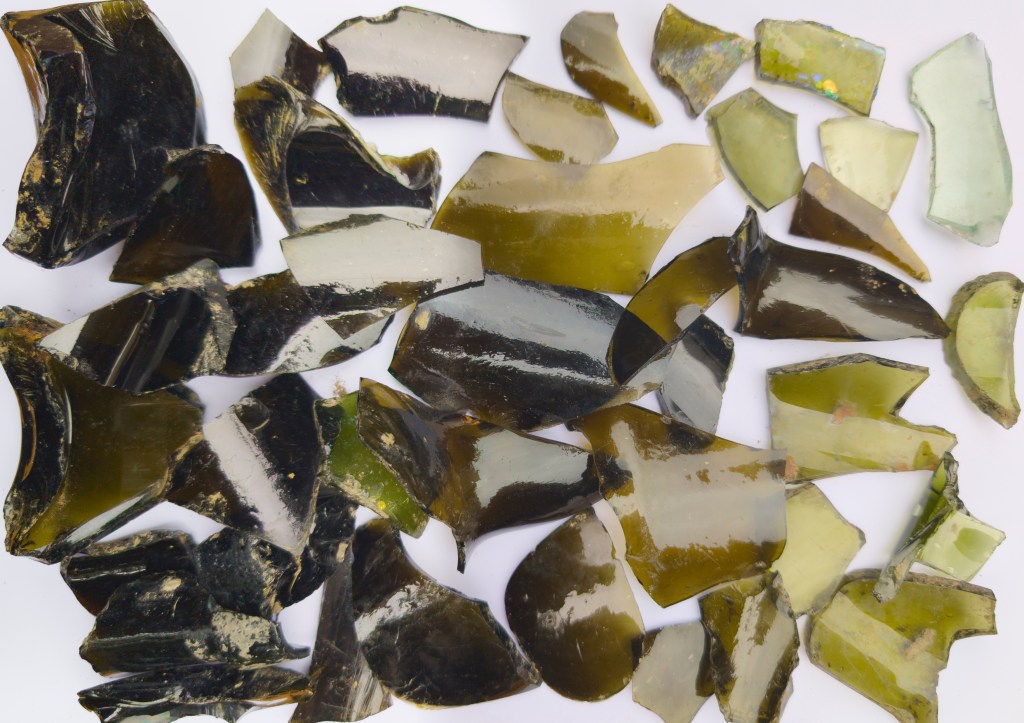
I have found more glass in the ground than anything else.
SOME OF THE BOTTLE NECKS
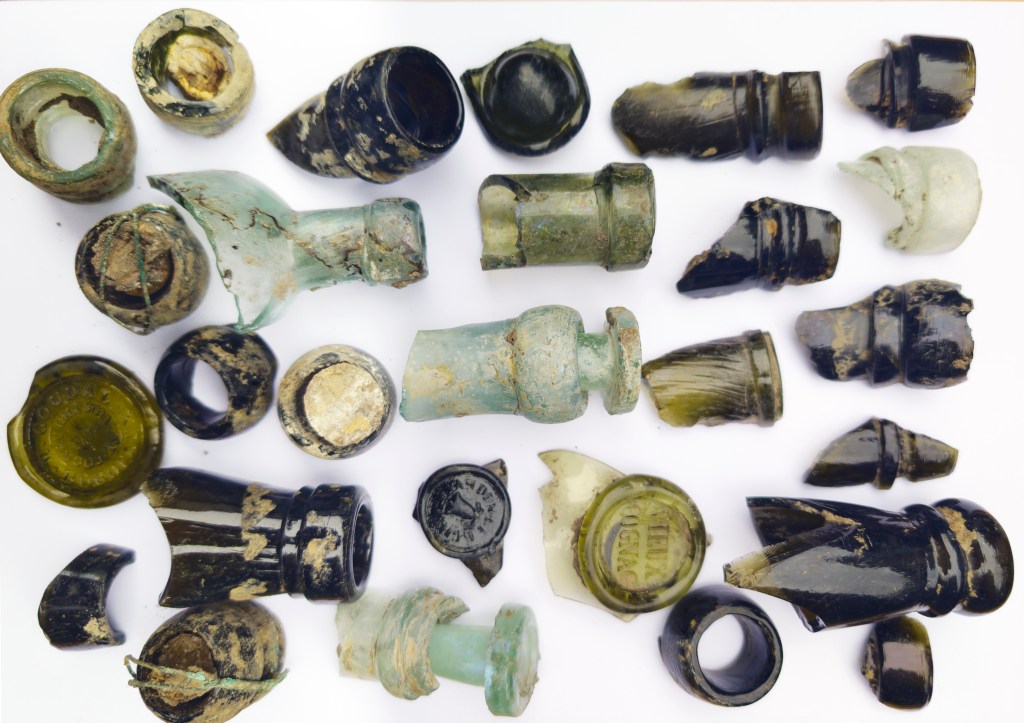
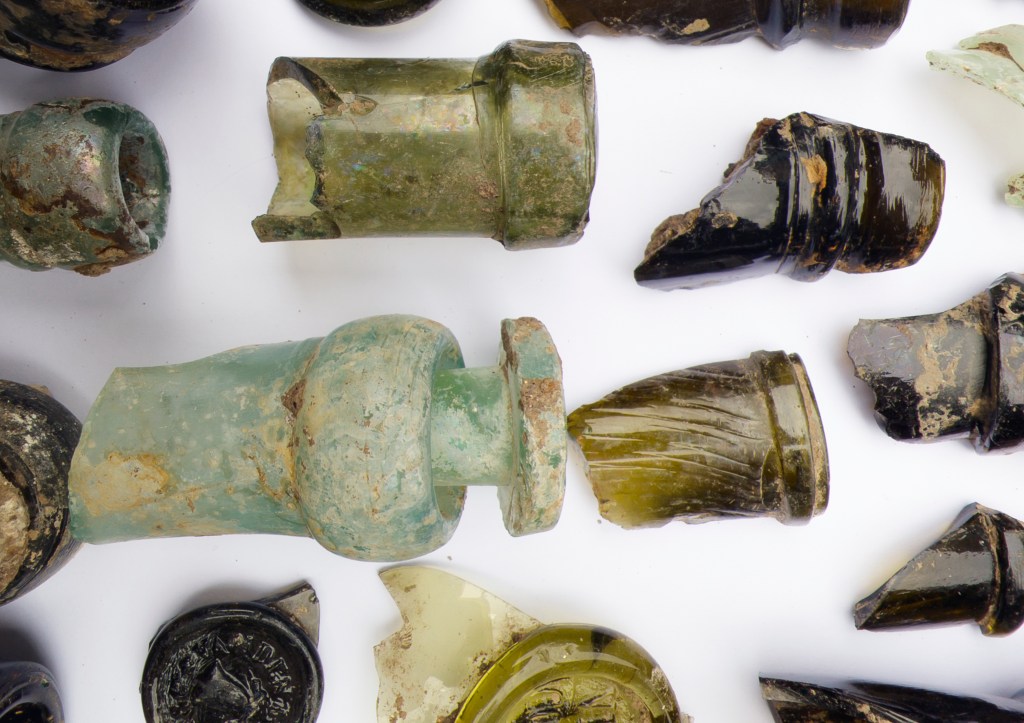
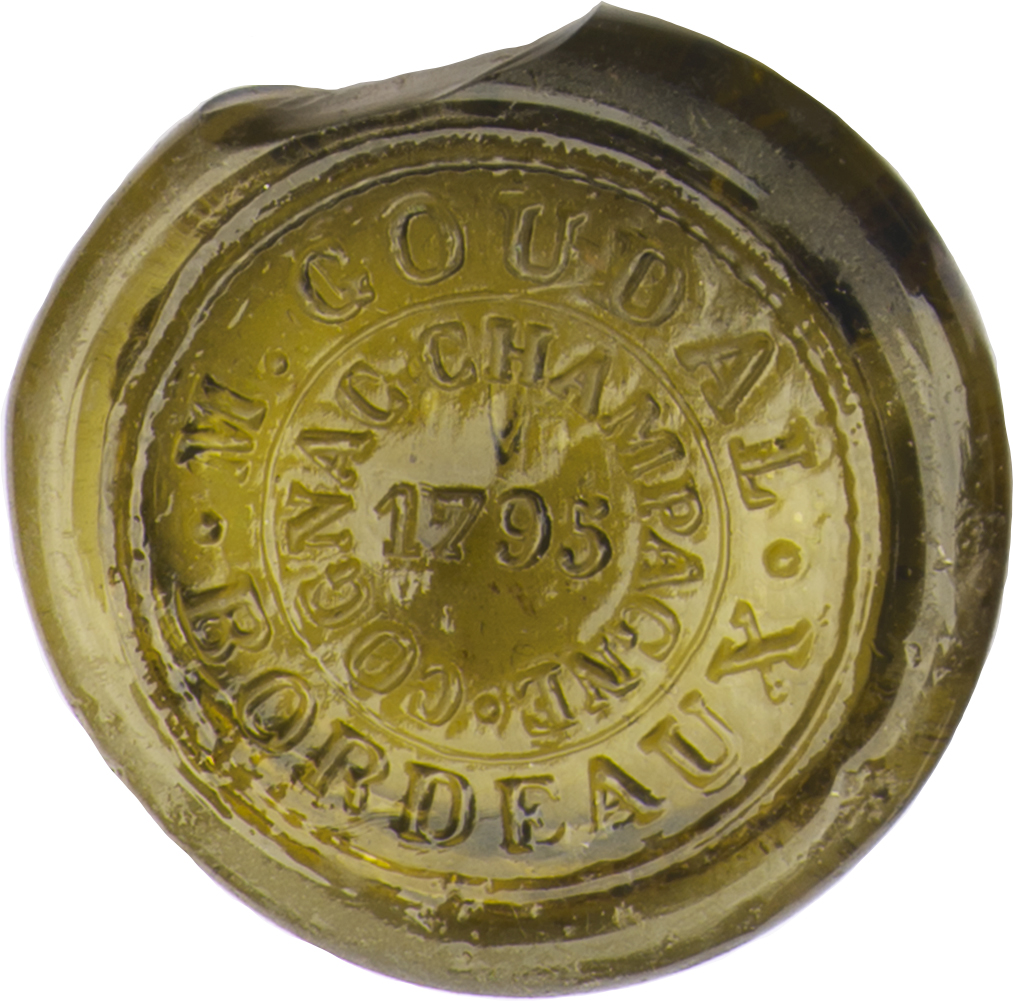
MAKER MARKS I’ve found:
all three date from around 1850 to 1875:
This one blow looks to have come from a cognac champaigne bottle from around 1850s. The closest match I’ve found online has been a Peyrusson Fils & Co / Cognac Champagne / 1793 / Bordeaux:
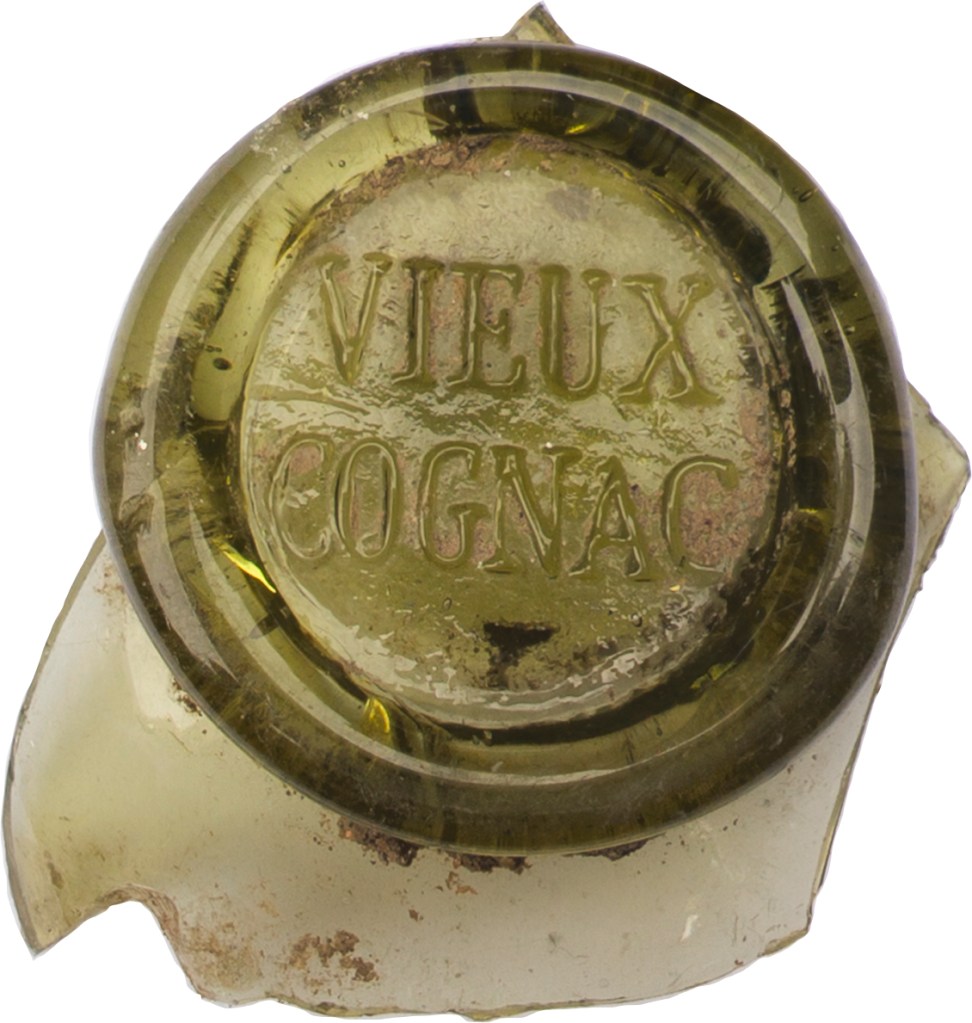
This looks like it’s come from an 1860s cognac
Vieux / Cognac.
And this looks to have been broken off a dutch ‘van der berg & co’ gin bottle from around 1865 to 1875. (Here’s one with a dark green seal c1870)
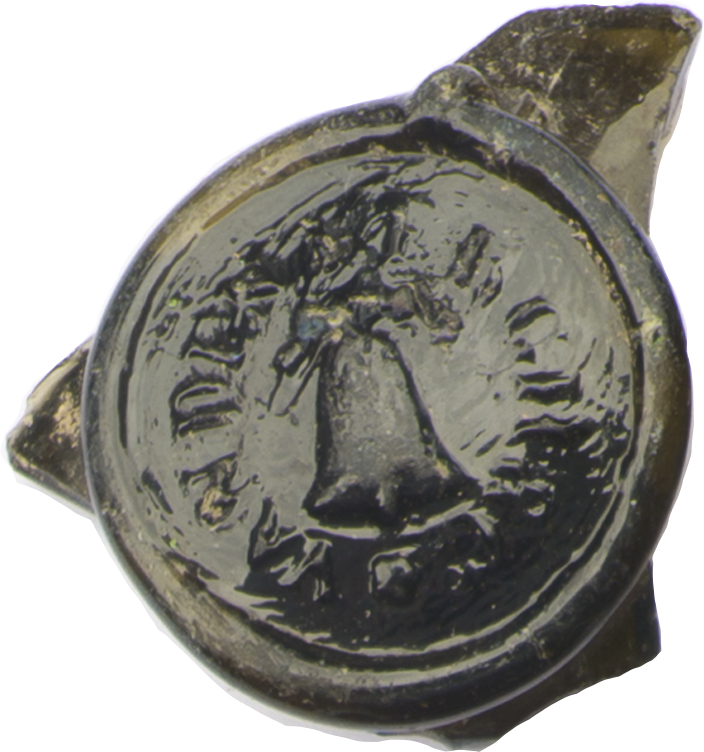
making sense of other shards
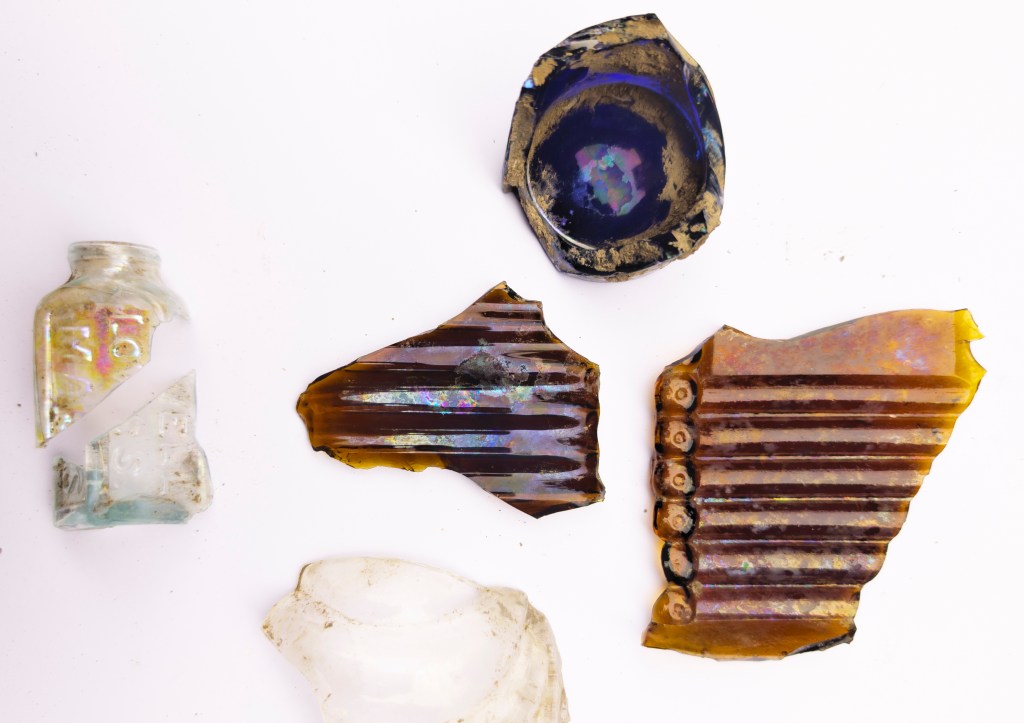
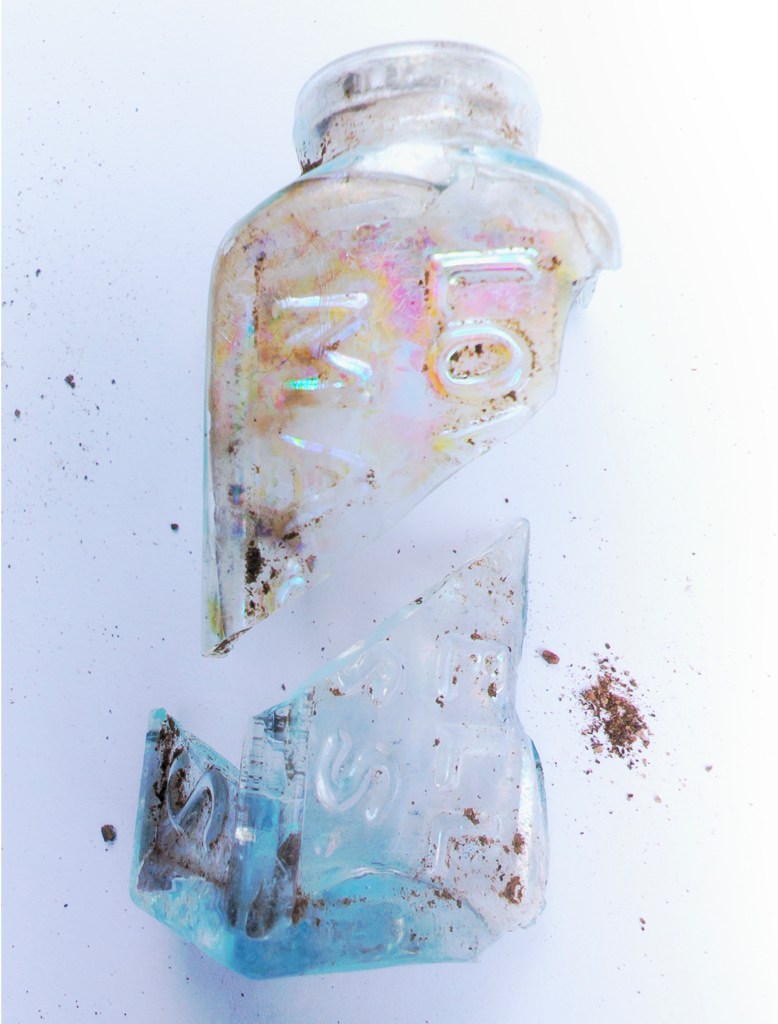
what would have at one time been an intact Ayers Cathartic Pill bottle from Lowell, Massachusetts USA.
Cathartic is a descriptor for ‘laxative’ at this time, but also to mean more broadly an expeller of bad things.
This unopened bottle is dated to 1853-1870.
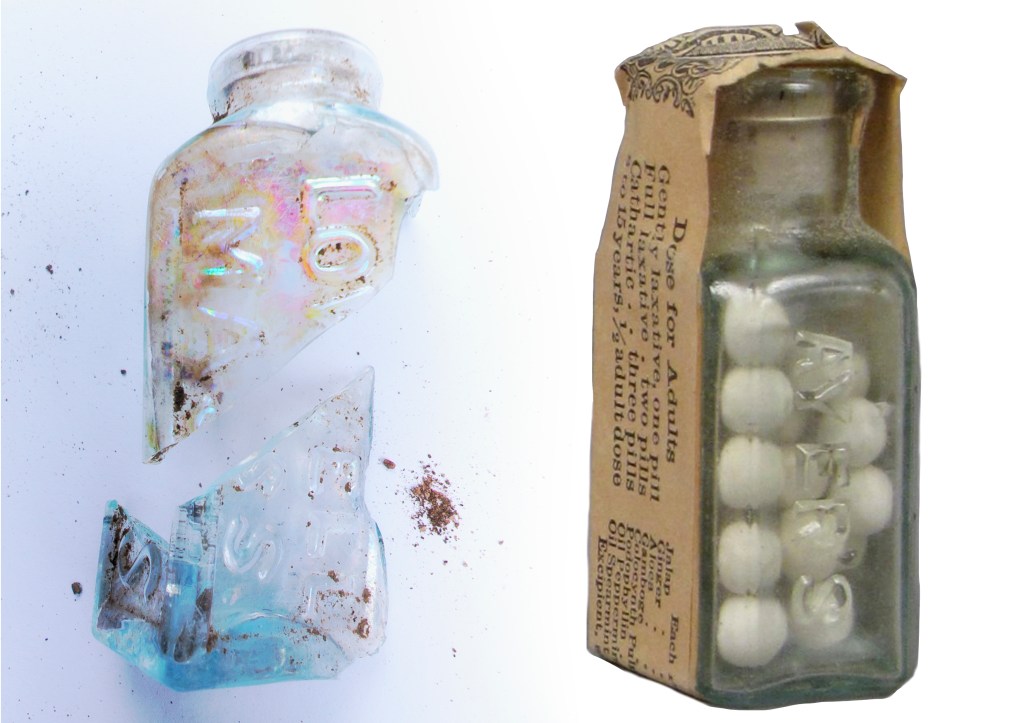
When you get sick or run down the Victorian era understanding is that whatever form your sickness might be showing itself in, you need to expel it from your body and if necessary with a bit of severity.
The pills are sugar coated and ingredients include various herbal extracts that are known laxatives but don’t get used in today’s medicine because they strip you of your potassium levels at the same time, or they’ve since been discovered to be effective anti virals instead.
There’s some essential oils like peppermint and spearment in these pills and ginger that would have helped with nausea.
They did do analysis in America of one of these bottles of pills and found that even though it wasn’t printed on the label, the pills also contained
Iron, sulfur, potassium, calcium, copper, and zinc.
source: Patent medicines part two: “Ayer” ready for this?
By Sarah Bush ,September 19, 2022, Bernard Becker Medical Library from https://becker.wustl.edu/news/patent-medicines-part-two-ayer-ready-for-this/
They must have been a strange hybrid of daily multi vitamin, anti nausea and diarrhetic bowel irritant.
And here’s what it will relieve you of (and cure you) from a front page ad from The Advocate Dec 20 1873.
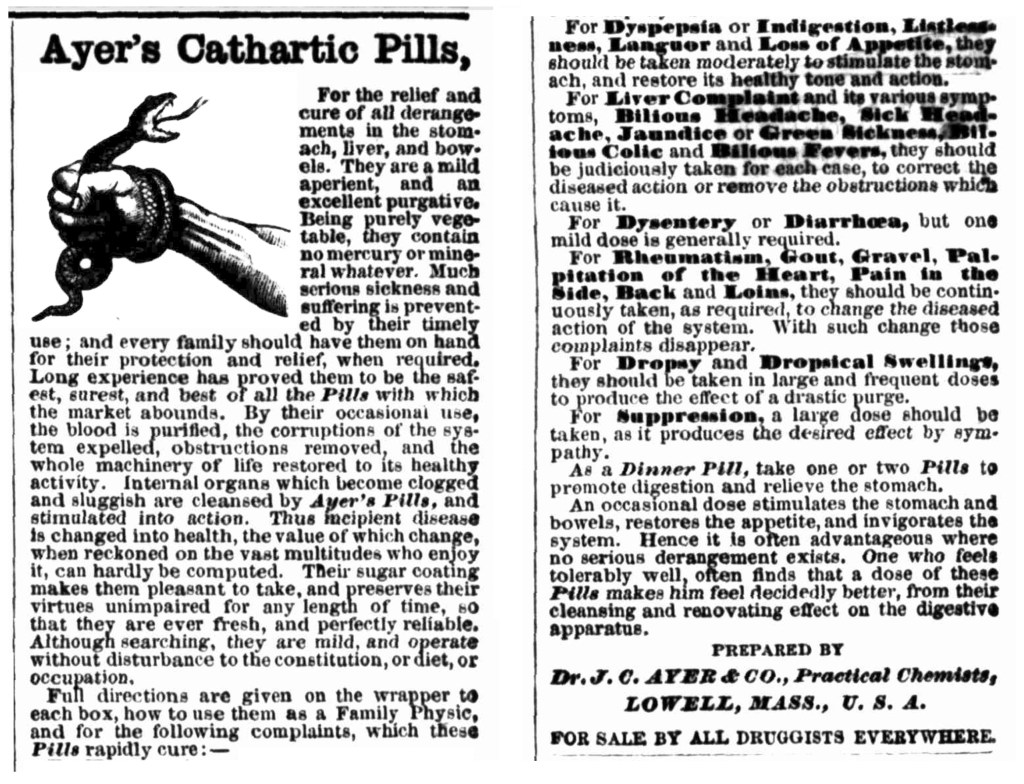
source Ayer’s Cathartic Pills. (1873, December 20). Advocate (Melbourne, Vic. : 1868 – 1954), p. 1. Retrieved May 4, 2025, from http://nla.gov.au/nla.news-page20237208
Whats interesting about this ad apart from all the ways the pills will help you is the imagery of grasping an asp showing that the pills are quite hard hitting BUT twenty years later you see ads for the same pills and it’s evolved into a gentler kind of remedy and instead of pictures of asps, Ayers are using images of cherubic angels tenderly preparing the packages for you.
when you start going down the rabbit hole looking at everything else on a ridiculously elongated front page of a newspaper, you also see….
On the front page of this same issue of The Advocate – you’ve got your new drapery and boot establishment on Bourke St and information about cough lozenges [the fore runner to boiled sweets].
Lower on the page here’s an ad for Mark Foy in Collingwood:
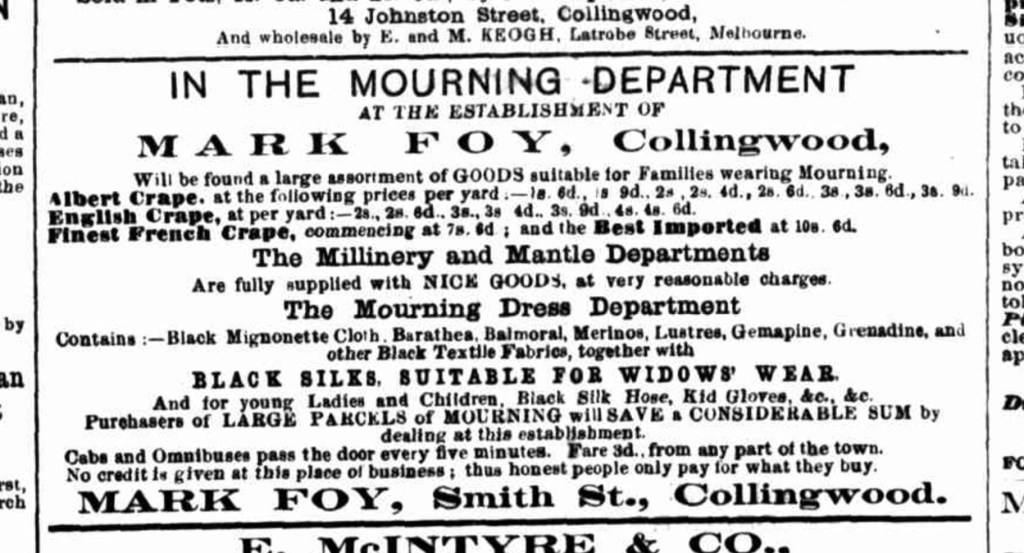
-Queen Victoria’s husband Prince Albert died 12 years ago but we are in Peak Victorian mode because here’s a department store hosting a dedicated ad for it’s mourning department with a large assortment of goods for mourning families, including specifically a mourning dress department with black silks for widow wear, young ladies and children.
Mid-Late Victorian era is where you have really specific prescriptions for how you grieve but you also have ability to chose how to adopt the customs and to what degree within your community.
I can’t help but wonder how first nation people living in the area at this time reconciled Victorian Christian customs imposed on them to cultural traditions that they’ve either known and practiced first hand or are aware of from contact with older generations within or outside their own tribes.
There doesn’t seem to be any dedicated published research on the subject.
click on 3 for next page:
 burrows & co