clean raw baltic pine with meth spirits
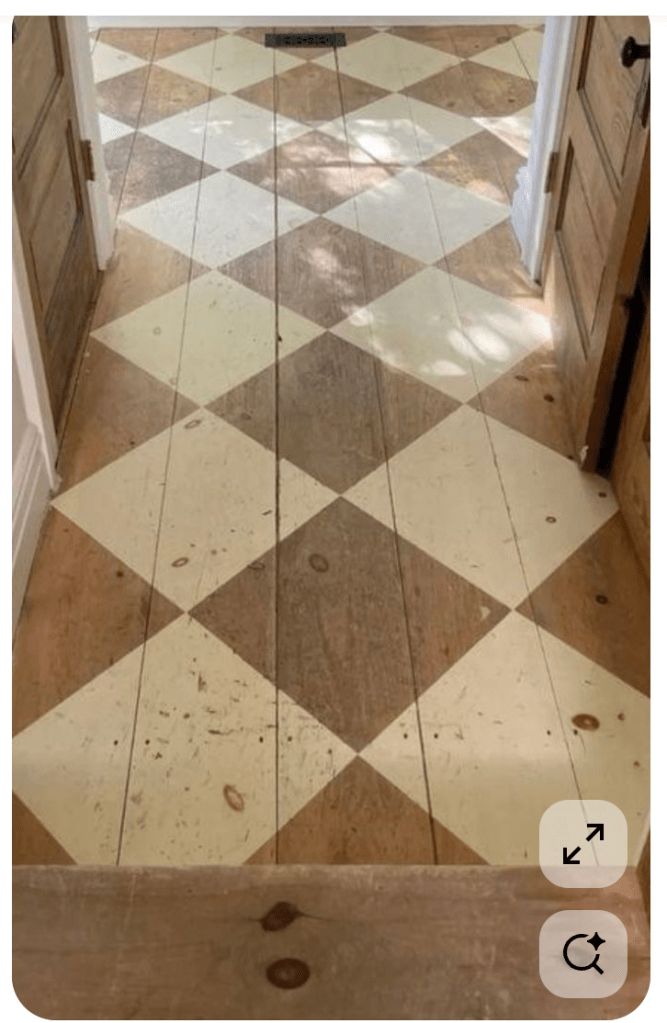
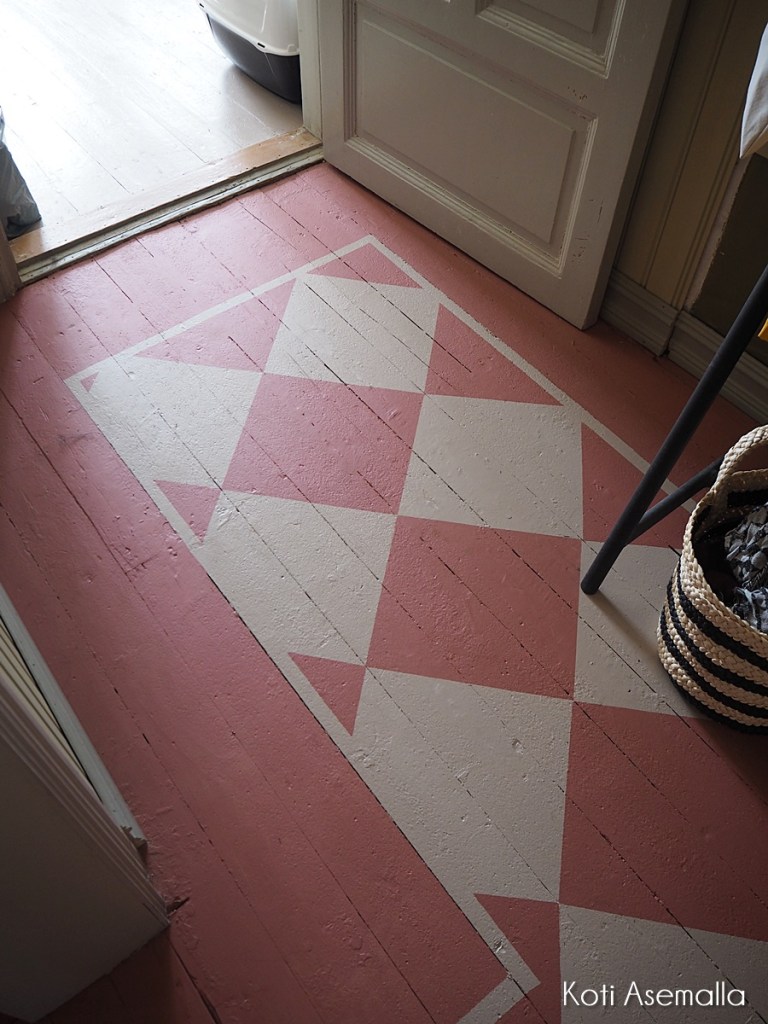
mopping liquid wax:
VACUUM HARD FLOOR MICROFIBRE MOP HEAD MIELE C3 Complete Cat & Dog PowerLine
not official miele attachment but could be worth it.
VICTORIAN TIMBER FLOORING (1837-1901)
Plain pine floors were used throughout most Victorian houses.
WOOD TYPE Pine used extensively throughout the period but the Arts & Crafts movement revived the passion for oak and gave rise to an interest in exotic hardwoods and maple. Well- chosen pine and fir planks were considered acceptable.
FIXING TYPE Tongue and groove fixing or facenailing were the norm.
STYLE Pine floors were usually covered with rugs and the surrounds were stained and polished with beeswax and turpentine to create the effect of a better timber. Some borders were stencilled as an inexpensive alternative to parquetry. During the 1860s, floors painted in Indian reds and deep blues became fashionable. In Arts & Crafts buildings, the preferred wood, oak, was simply polished to enhance its natural beauty. The finest floors were cut from the full-width of tree trunks. The movement also created the trend for floors and wall panelling to be stained in similar dark tones. Staining, however, was reserved for inferior woods. In Art Nouveau interiors, carpets and rugs were considered the main decorative features so wood and parquet borders were polished to provide a simple. complementary back up. SOURCE: Timber Floors by Jasper Weldon, http://www.buildingconservation.com
NB the other thing is that when you’re polishing the floors with modern materials it can stop the floors from breathing and create new rising damp issues:
Changes to floor finishes may be enough to tip the balance towards too little evaporation. For example, an unfinished timber floor may be found to be cold and draughty in winter and so is modernised. Gaps beneath the skirtings are sealed with compressible foam; and new vinyl sheeting, or a polyurethane finish on the floorboards forms an effective seal, reducing previous circulation. New vents may be needed to restore adequate ventilation in this situation
-SOURCE Salt attack and rising damp: A guide to salt damp in historic and older buildings by David Young
Original pine flooring from the Victorian era was typically crafted from slow-grown Baltic pine, resulting in dense, durable boards with tight grain patterns. These floors were built to last, and with proper restoration and protection, they can continue serving for many more decades.
Beyond their practical value, well-restored pine flooring adds considerable charm and value to period properties. The wide boards showcase a quality of timber that’s increasingly rare in modern flooring, making their preservation particularly important.
Moreover, pine is particularly vulnerable to moisture damage and staining, which can lead to unsightly marks and even structural issues if left unprotected.
This breathability is particularly crucial for period pine flooring, helping to prevent moisture-related issues that can compromise the wood’s integrity. .

