FIREPLACE
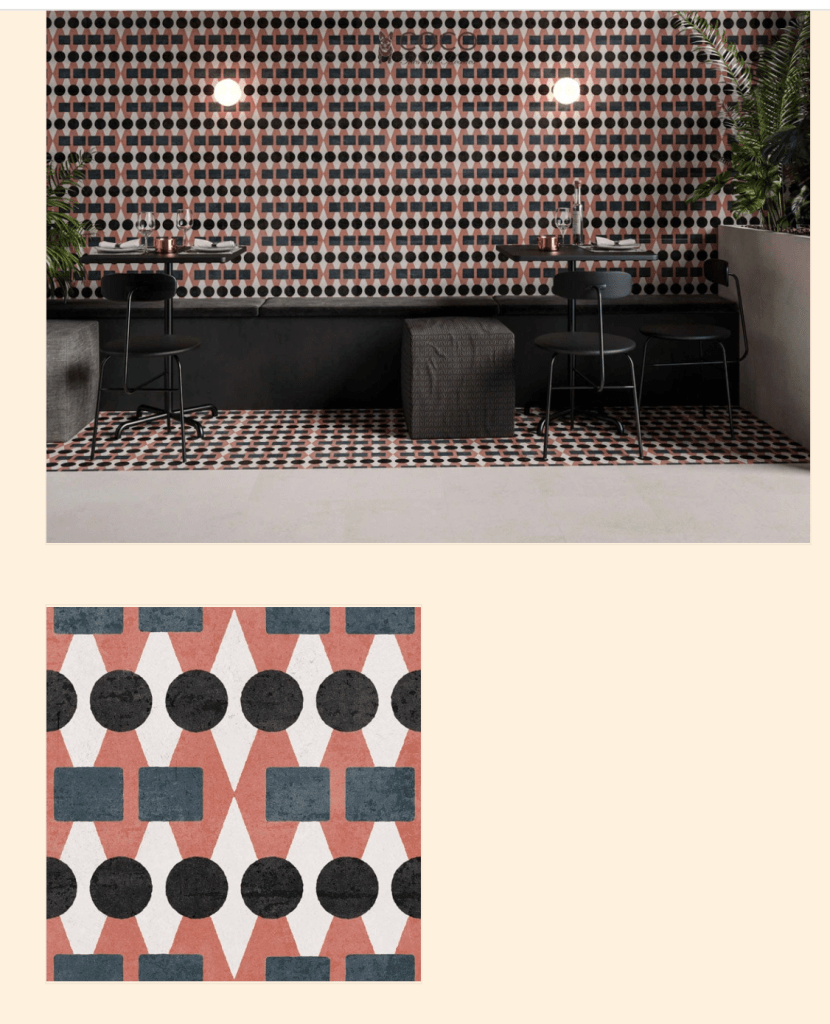
Full-Size Sample – GeoMod Series – Mosaic Matinee 305x305mm Porcelain Tile
Regular price$200.43 /box = $178.96/m2.
link here https://cocotilesandmosaics.com.au/products/geomod-series-mosaic-matinee-305x305mm-porcelain-tile?collection=luxe-lineage&item-id=product_item_7637063499823
oldeenglishtiles.com.au/pages/fireplace-and-riser-tiles
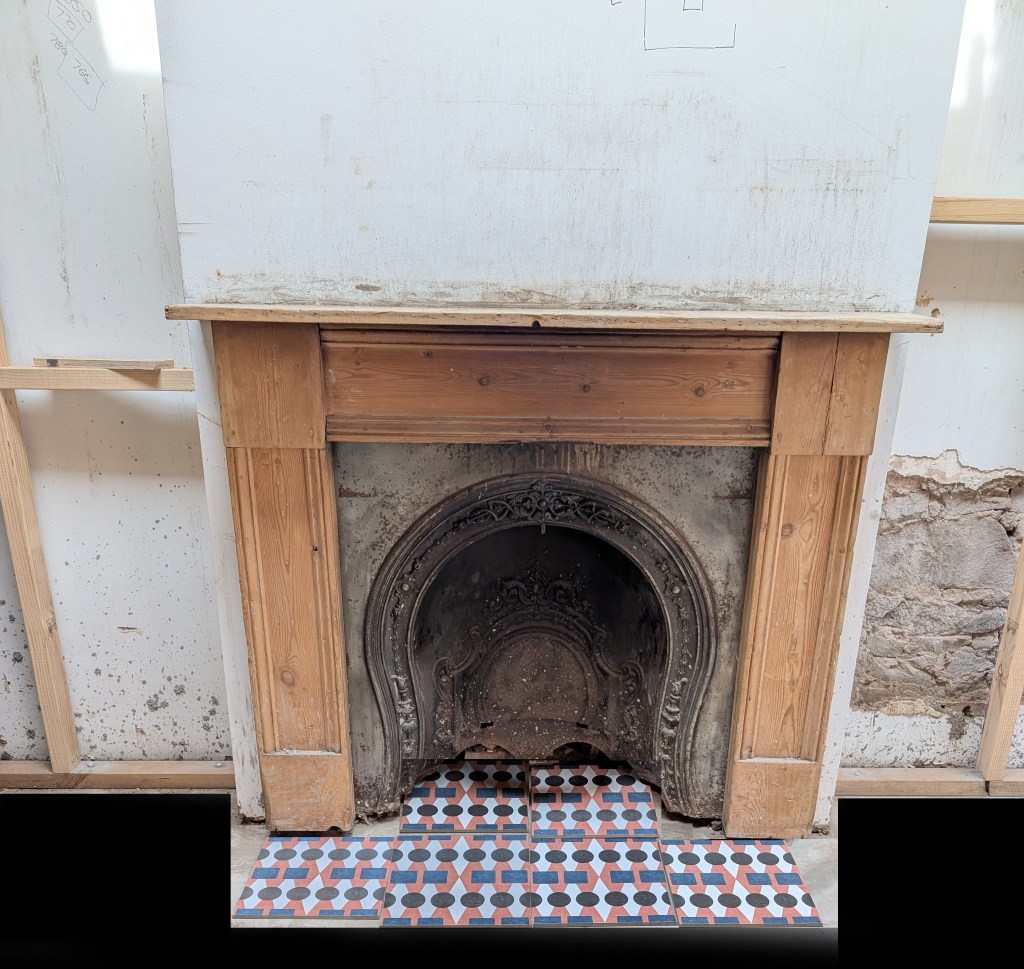
also I could have a baltic pine framing of hearth somehow recycling floorboards???? so then it matches mantle same concept here below
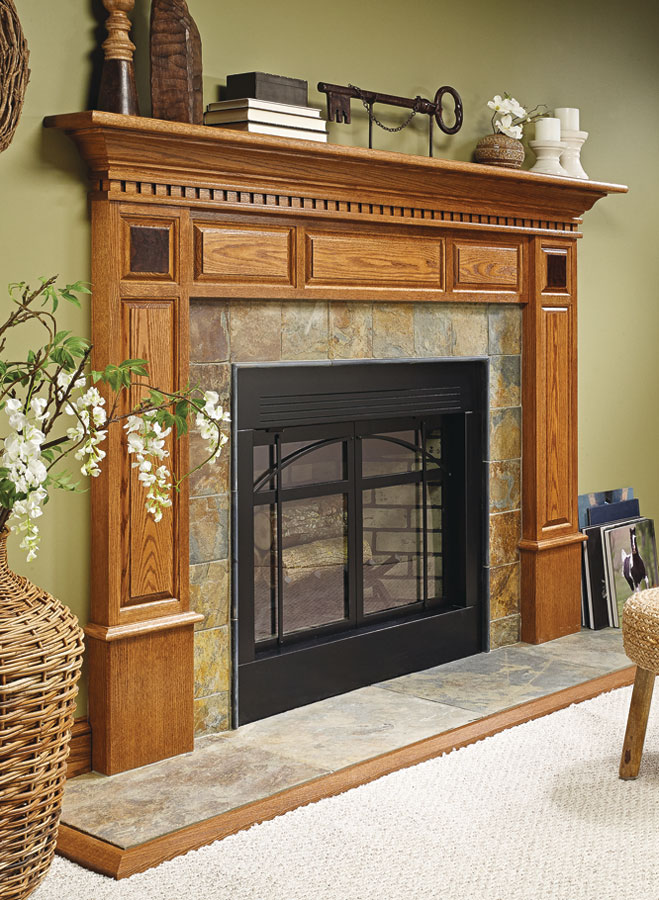
OR PLAN B
Built in insert heath tiles
https://www.barbequesgalore.com.au/p/maxiheat-in-built-hearth-1220x600mm-gloss-black/MXTHINSBLK.html
Maxiheat In-Built Hearth 1220x600MM Gloss Black
Maxiheat
$449
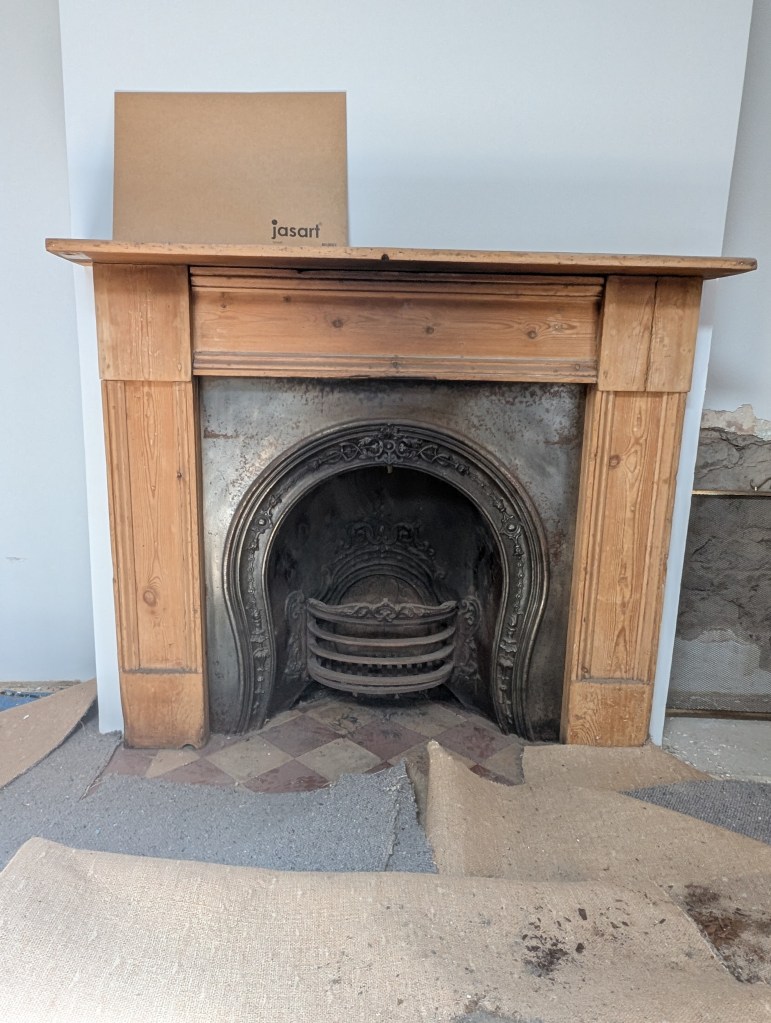
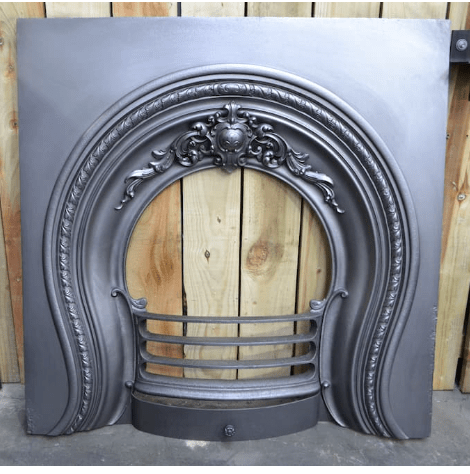
Mid-Victorian horseshoe arched fireplace insert, with a central foliage embellishment. The outer arch is decorated with foliage.
In excellent condition, complete with new back and grate. Awaiting restoration.
From a house in Ironbridge, Shropshire. Circa 1860.
k https://www.oldfireplaces.co.uk/product/victorian-horseshoe-arched-insert-4501ai/
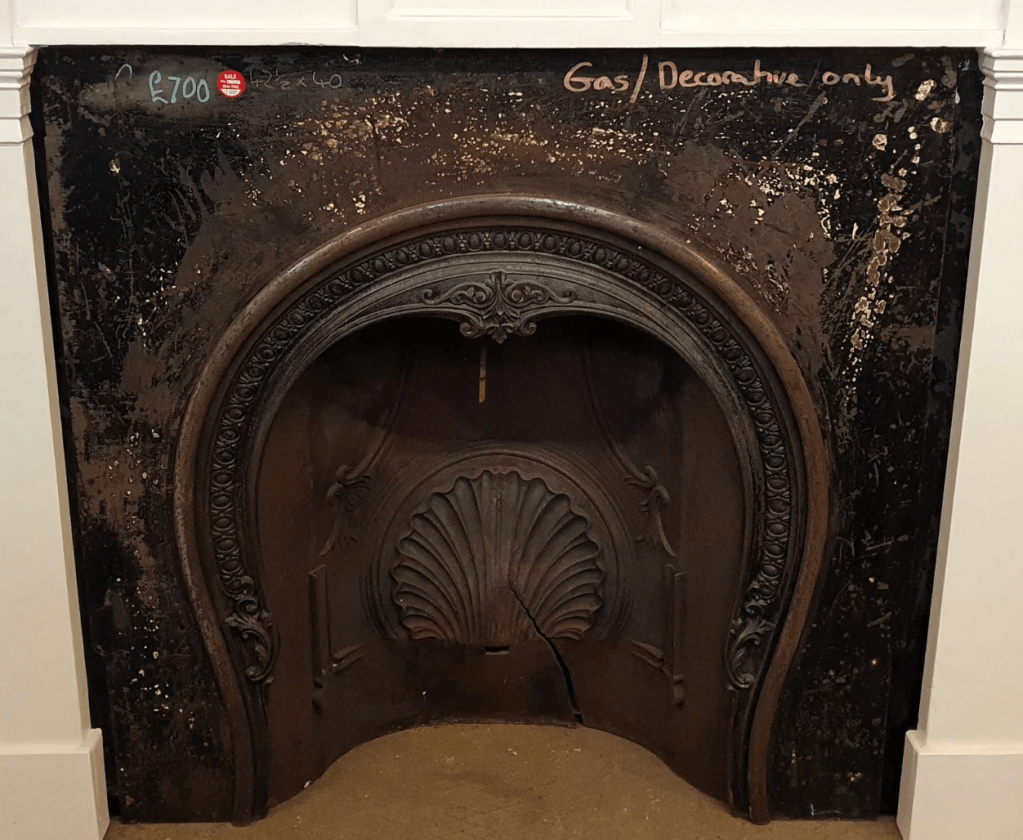
similar looking mantel has been dated georgian by auction house
https://holyroodsalvage.com/antiquefireplaces/original-georgian-mantel-0829
Trying to age your fireplace can sometimes be difficult. You’ll need to find a marking that is either stamped, painted or impressed on the underside of your fireplace, such as the one below, which is an antique Kitemark.

It’s not just the name of the company that will show on an antique mark, but also a number of other things used by the manufacturer, designer or artists, such as the day, month and year it was made. The image above demonstrates a design registration mark for 22nd October 1875 (B for October and S for 1875).
However the date only refers to the date the design was first registered and only gives you an indication of the earliest possible date a piece may have been manufactured. Design Registration Marks or Kite marks with ‘Rd’ in the center were used between 1842 and 1883 and the use of serial numbers began in 1884. In 1862, the Trade Mark Act became law so any piece bearing the words ‘Trade Mark’ would have been made after that year. From the 19th Century onward ‘Royal Arms’ were often granted by the Monarch and added to the manufacturers name or trade name. Pieces bearing ‘Royal’ can usually be dated after 1850.
WHAT IS A COAL FIREPLACE?
A coal fireplace is a very small masonry fireplace, most often found in homes built between 1880 and 1930. A coal fireplace is small – typically around 20″ wide or less, and smaller than 12″ deep. They are generally taller than they are wide, exactly opposite of how fireplaces are built today. Because coal burns so much hotter and longer than wood does, you only need a small amount of coal to create a large amount of heat. Back in the days before central heat, nicer homes had a coal fireplace in virtually every room to heat that single room. And such a house would also have commonly had servants to light and replenish the fires to keep the rooms comfortable for you all winter.
Like the fireplace pictured at left, a coal fireplace generally has a cast iron frame that once supported a hanging grate and included a door, or “summer cover” to close off the fireplace when not in use.
https://www.victorianfireplaceshop.com/fireplace-library
***CAN I RUN A LIGHTING THINGY so that there is a little light for inside the fire grate???? Like recessed lights going upwards?????
BUT ALSO SLIGHTLY HOODED so it’s not a “glare bomb”
-Damp in the wall and falling damp on or around chimney
-some damp right of the fireplace
-Needs to be blocked to stop cold air flow at the base (roofing) mantel needs to be sanded and resealed, iron cast part needs to be repainted (?) black
Finally, it’s important to add a protective layer to your cast iron fireplace to keep rust from developing in the future as a result of moisture and humidity. You can apply a rust-proof metal paint and primer, or if you’d rather a more authentic restoration, a black grate polish.
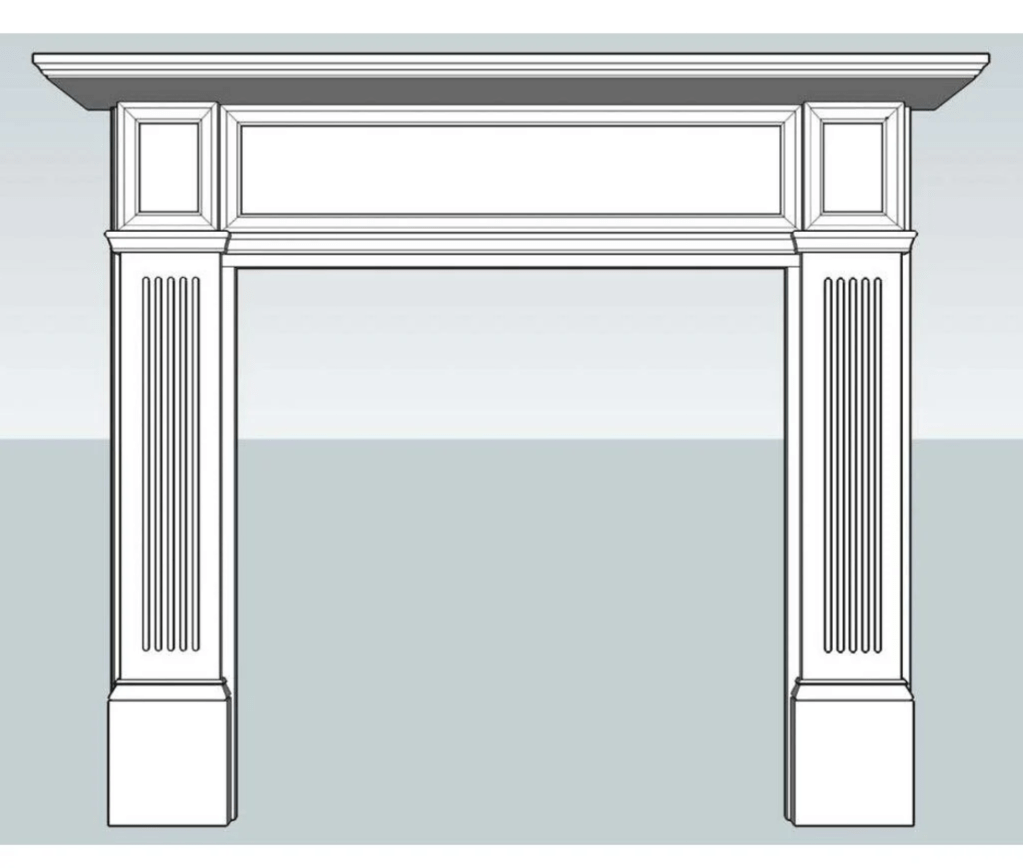
this is the closest I can find of the design, it’s called “macquarie” and they knock it up in MDF for you here.
monies
https://projectbritain.com/moneyold.htm#:~:text=a%20groat%20(4d),2%20x%206d%20%3D%201%2F%2D
pre decimal calculator for aus https://www.rba.gov.au/calculator/annualPreDecimal.html
d = a groat which is equal to four pennies.
advertised cost to run a day was for 12 hours
a groat is 4 pennies.
4d = 16 pennies in todays money it would be less than 15c.
they have priced coal as costing 30 shillings a ton which would be like $3
todays pricing is more like $167 for a ton
other inspiration…
denis severs house
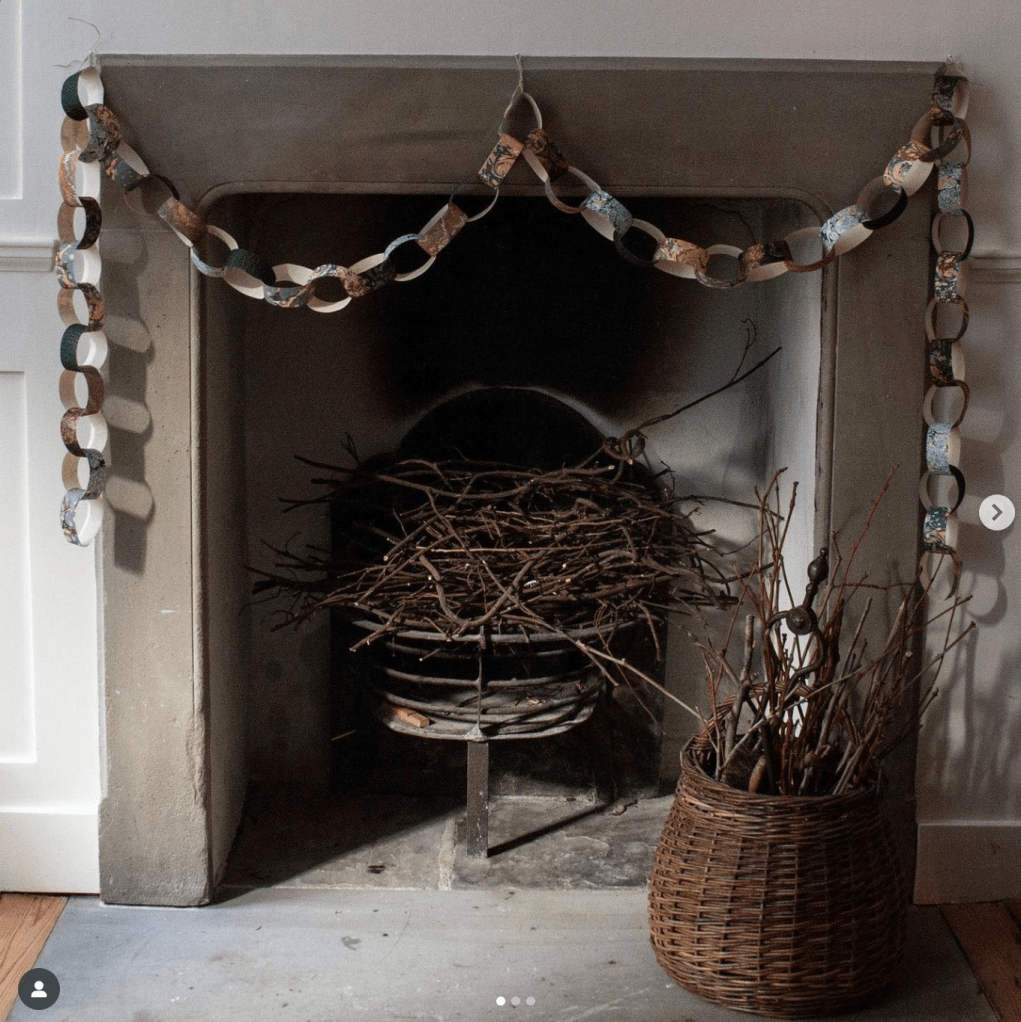
and
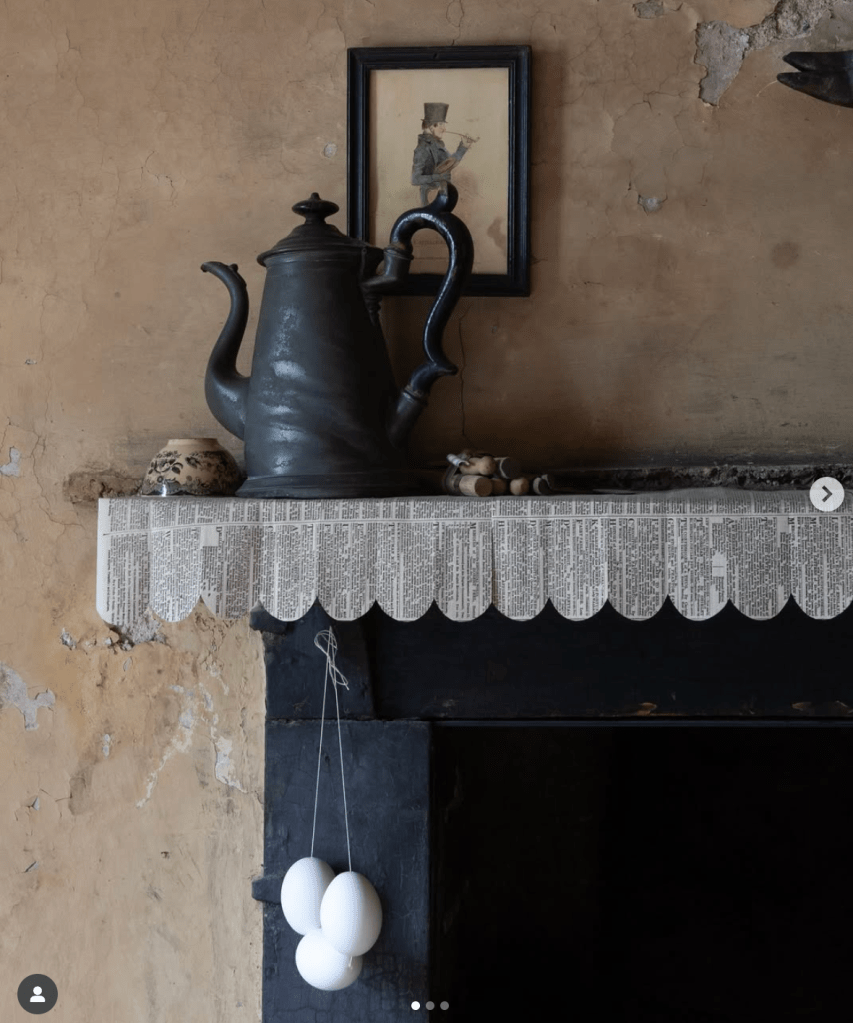
 burrows & co