inspired: steel cables for creepers. attached to walls.

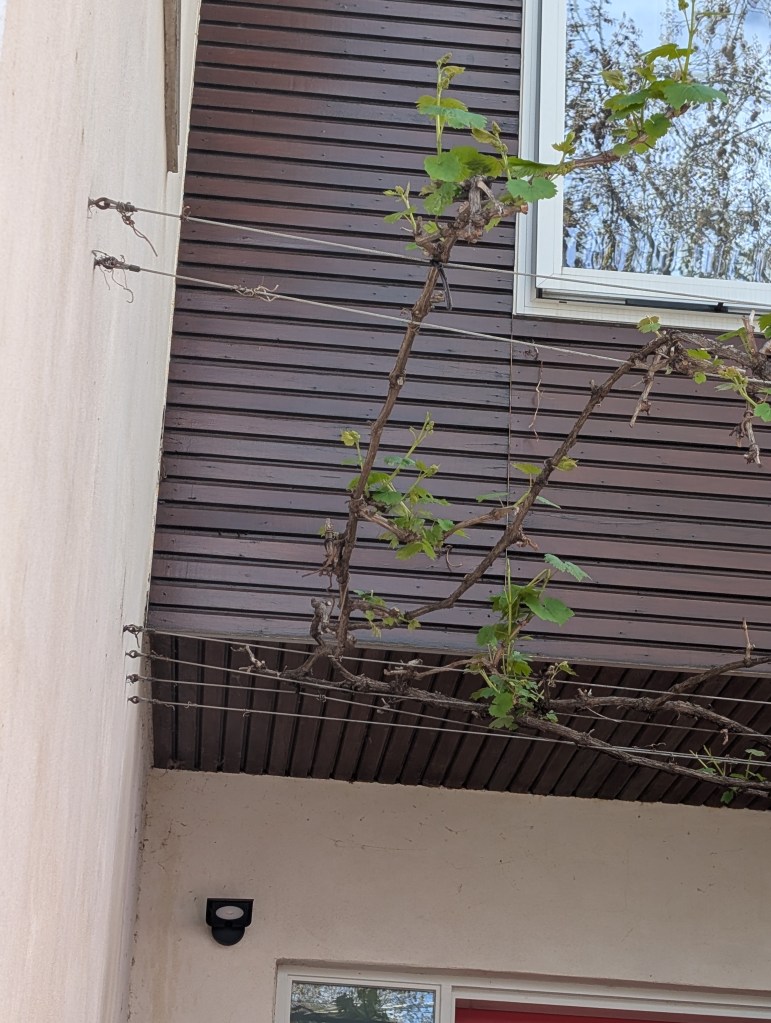
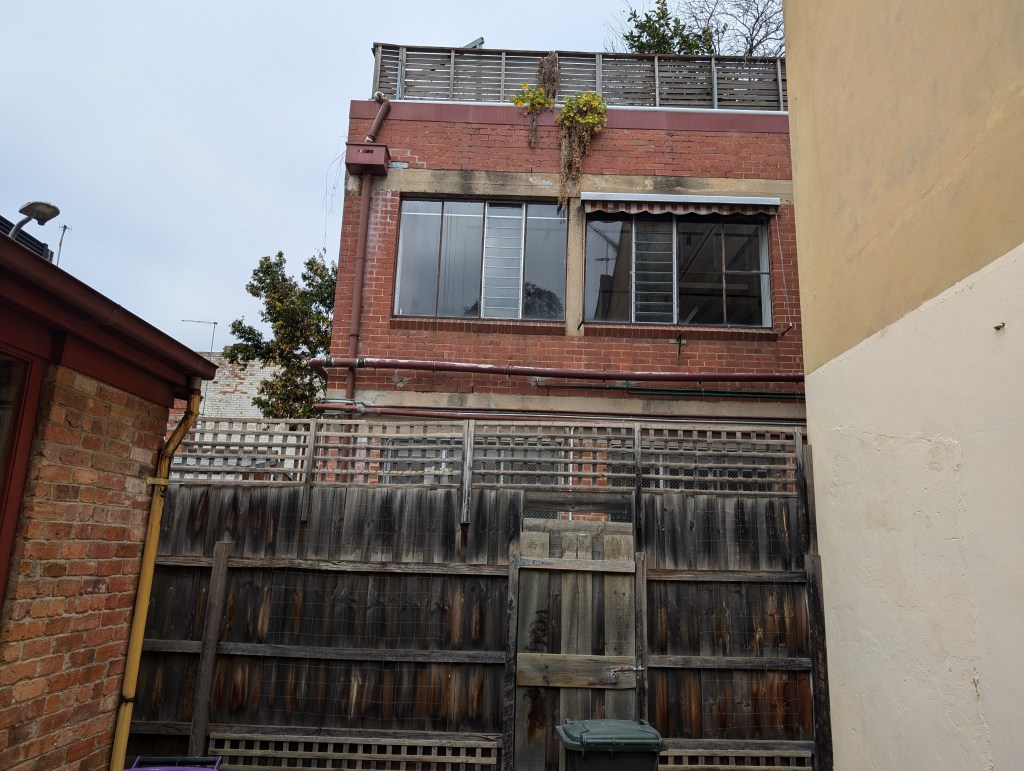
currently:
online retailer of diy cat enclosures: this can be for future inspiration
hhhhhttps://www.somerzby.com.au/
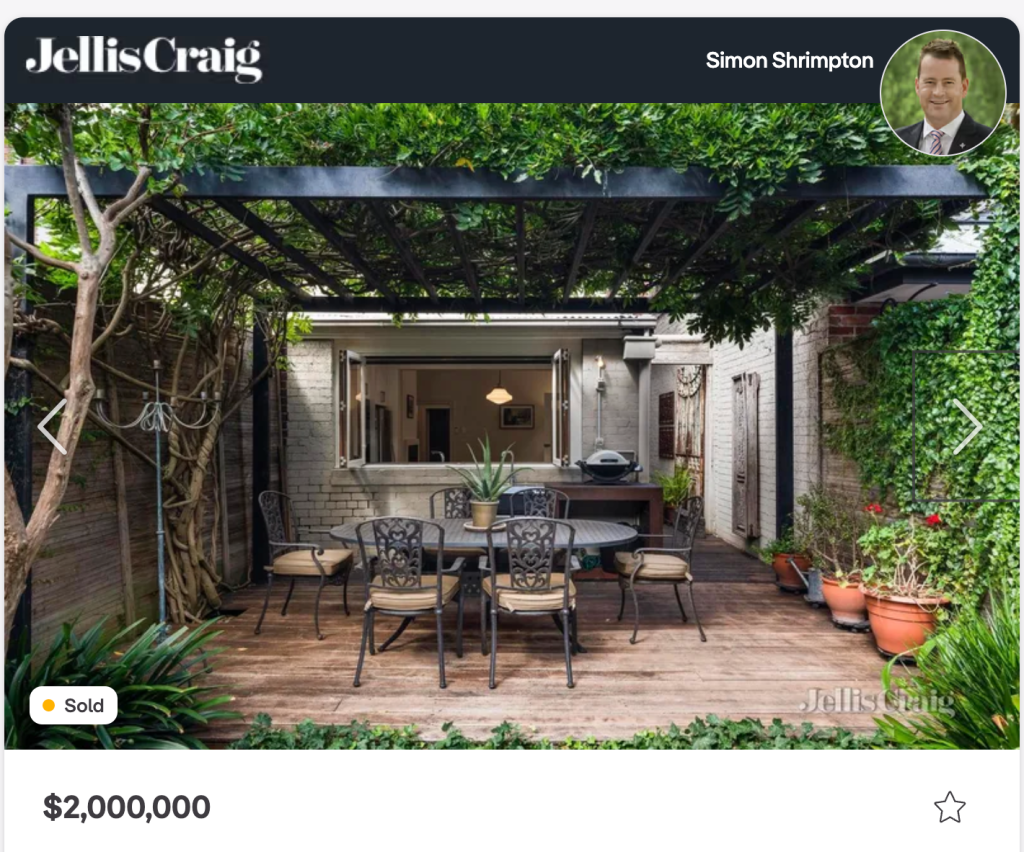
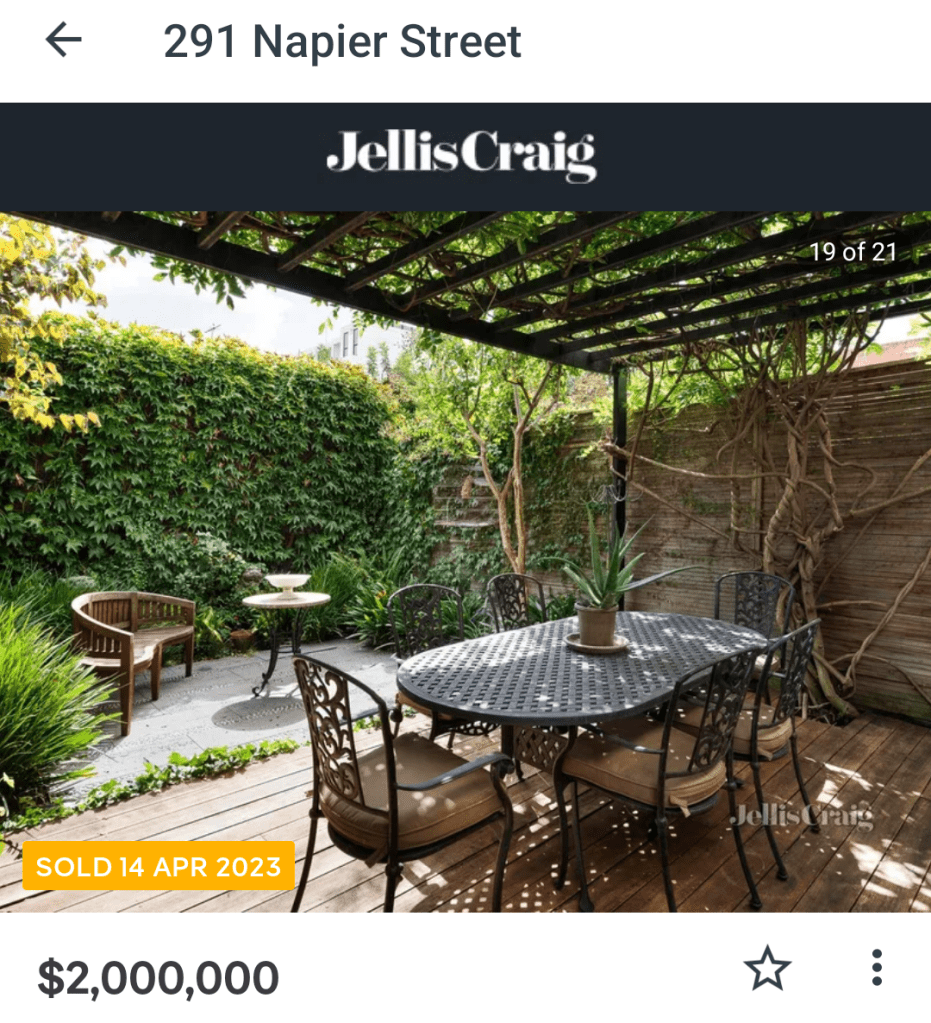

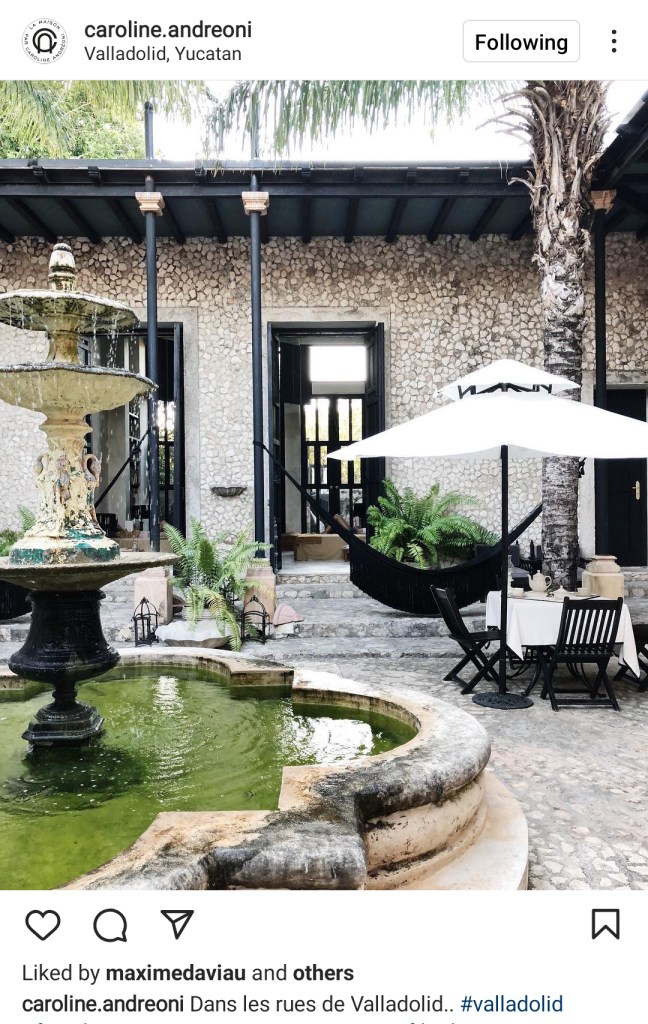
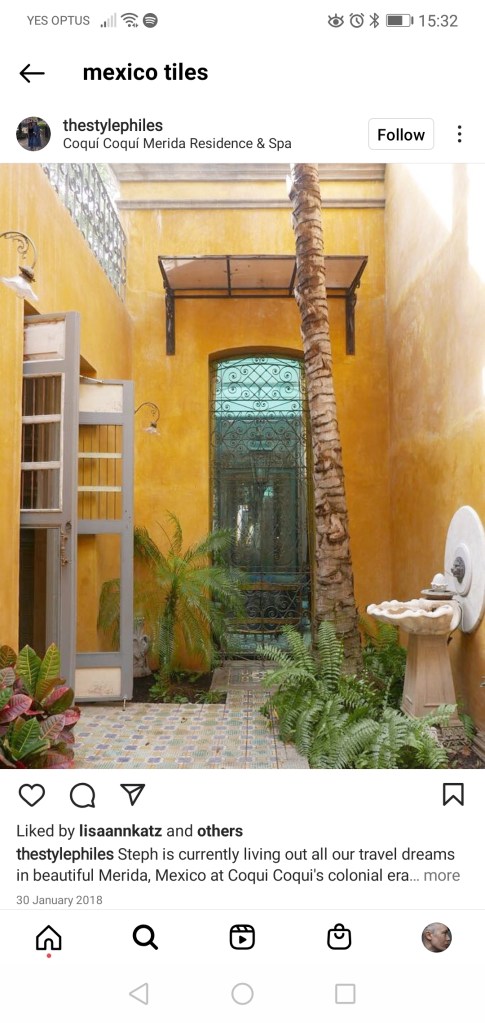
colonial Mexican hacienda:
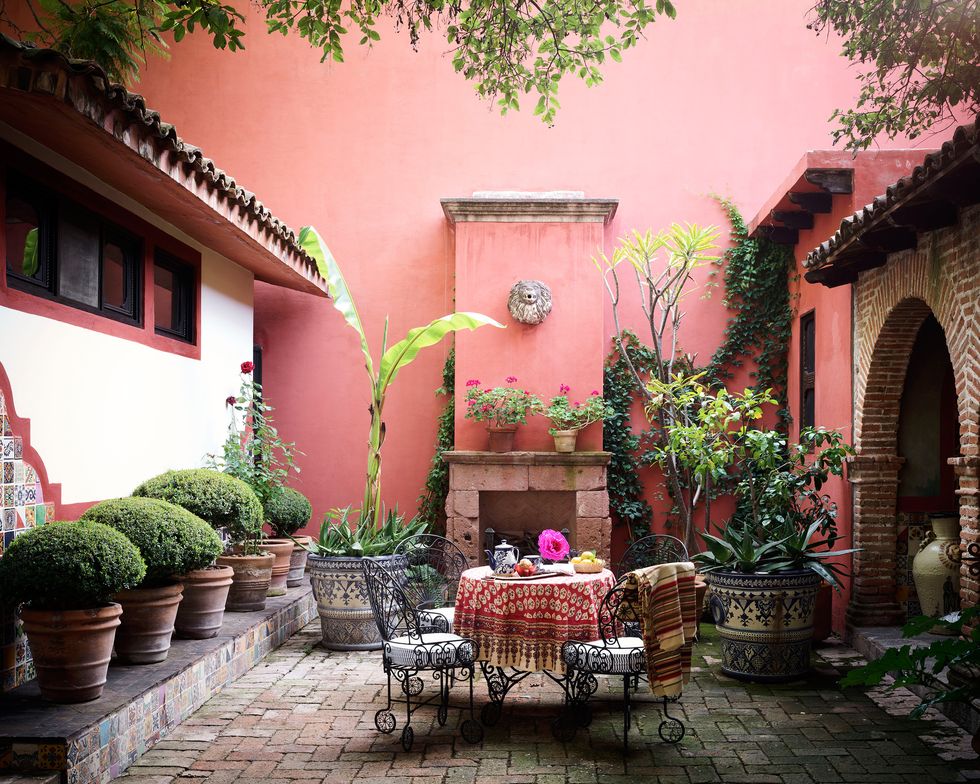
emparrados (vine arbours)
…They need to be watered only in the first two years and they are deciduous, letting in the winter sun between November and March. Within three years of planting they will form a complete canopy over a narrow street.
The variety chosen is Vitis riparia, cultivated to produce few grapes, avoiding streets made sticky by fallen fruit.
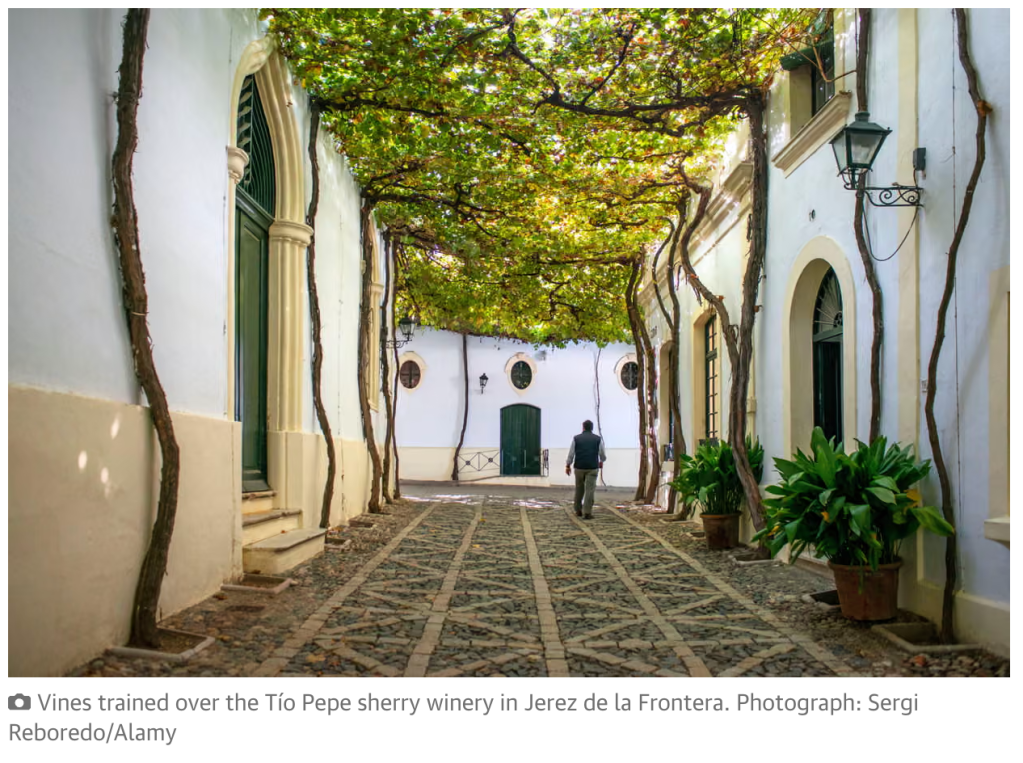
source- https://www.theguardian.com/environment/2025/aug/28/planting-vines-and-other-ways-hot-cities-creating-cool-spaces
succulents
How to grow succulents from cuttings: A cutting is a section of plant, either a single leaf or a section of stem, removed from the parent plant for the purpose of propagating. Whether a succulent can be propagated through a single leaf or a proper cutting of a section of stem depends on the plant type. Echeveria and Sedum, for example, can be propagated by either method. Aeonium, however, requires a section of stem for propagation.
Use a sharp, clean knife to cut off a few fleshy leaves (with a bit of stem attached) or a stem that’s getting leggy. The leaf or section of stem you’ve removed is called a ‘cutting’.
For leaf harvesting, you can skip using a knife and carefully snap off succulent leaves with your fingers. To do so, take a leaf and wiggle it gently back and forth until it pops off the main plant, making sure you’re getting a little chunk of stem as well. It’s from the portion where the stem meets a leaf that the plant cells can differentiate to form roots rather than leaves.
Tip: Don’t remove too many leaves or sections of stem from a single plant.
How to grow succulents from pups, or offsets: Another method of succulent propagation is to harvest plant pups from the base of the parent plant. This can be done for many rosette-forming succulents, including aloe, echeveria, zebra plant and others.
To harvest a pup, use a clean, sharp knife to remove the small plant offset from the parent plant (or gently twist with your fingers), retaining as many roots that may have already started growing on the offset (there may also be no roots). Unlike removing leaves or sections of stems from a plant through cuttings, removing plant pups actually improves the health of the parent plant.
2. Allow succulent cuttings or pups to form a callus
Once you’ve taken cuttings or removed plant pups, find a shaded spot outside or indoors where you can let the plant pieces rest. You can lay them on a tray of dry potting soil or gravel, or just leave them on an empty tray or windowsill. Avoid setting them on damp soil, where they can rot.
Leave them alone for about a week, until the cut sections have formed a callus – basically a plant scab or hardened piece of tissue that will protect the cut section from rot and disease. Do not water cuttings that are forming a callus.
3. Spread plant pieces on potting soil
Once the cuttings or plant pups have formed a callus, spread a tray with cactus and succulent potting mix. Position the tray in a lightly shaded area outdoors or by a bright window out of direct sun, and arrange the cuttings or pups on top of the soil. Let them sit for a few weeks, until tiny roots begin to form, watering very lightly about once a week.
If you’re propagating succulents from leaves, eventually a tiny rosette of new baby leaves will form at the stem end of the leaf, and the parent leaf will begin to shrivel. Once the parent leaf is entirely withered, you can remove it or just let it be.
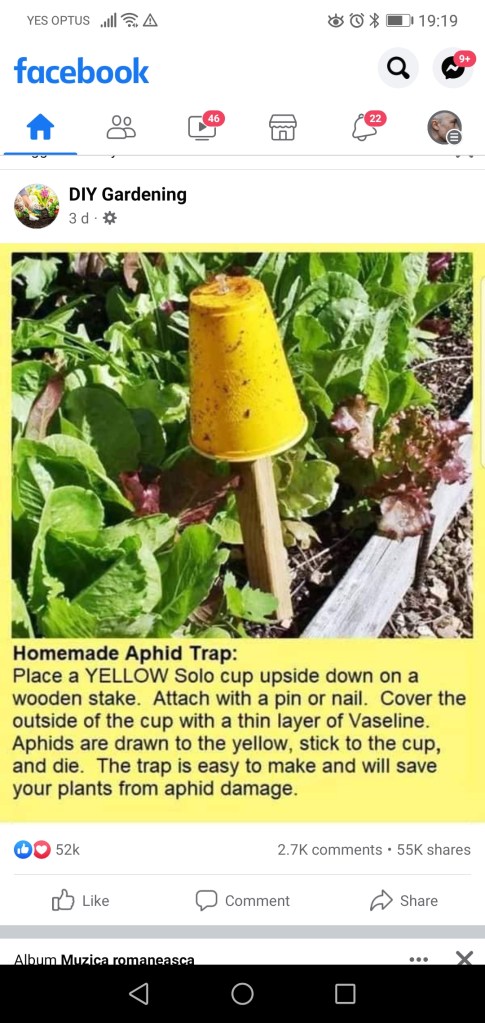
aphid traps
GABION WALLS
https://www.gabion1.com.au/
-based in sunshine
“Email with the retaining wall length, height and thickness, with your location for a delivered price.”
-they dont supply rocks but they tell you the volume you need.

PLANTS
SHADE TOLERANT
Pieris Christmas Cheer – lily of the valley bush (pink coloured flowers)
Pieris shrubs give you three plants for the price of one : first, attractive evergreen foliage; second, vivid new leaf colour; and third, generous sprays of bell flowers. Christmas Cheer gives you an extra cherry on the cake : unusual pink-tipped flowers from deep pink buds, which appear very early in the season. If you have poor dry soil or alkaline soil, plant it in a pot of good quality potting mix.
pink and green ferns:
Rumohra adiantiformis – leatherleaf fern
Dwarf Fiddle Leaf Fig – Ficus lyrata bambino
all helleborus love shade
Golden Philodendron, Gold Bullion – Philodendron Hybrid ‘Gold Bullion’
Can tolerate morning sun but avoid direct, late summer sun. Ideal for indoors in areas of great natural light.
Philodendron Hybrid ‘Xanadu’One of the most widely used landscape plants due to its architectural, dark green foliage and dense clumping habit. Ideal for en masse planting in tropical themed gardens and shaded areas of the garden and home.
Giant bird of paradise, Wild Banana
Strelitzia nicolai
A tall, palm like variety of Strelitzia resembling a banana tree with an espalier, fan-like habit. Widely used in tropical landscape gardens however also commonly used as an indoor plant.
Cardboard palm
Zamia furfuracea
Foamflower
A small compact shade-loving plant that is cold-hardy and flowers in early spring.
Foxgloves
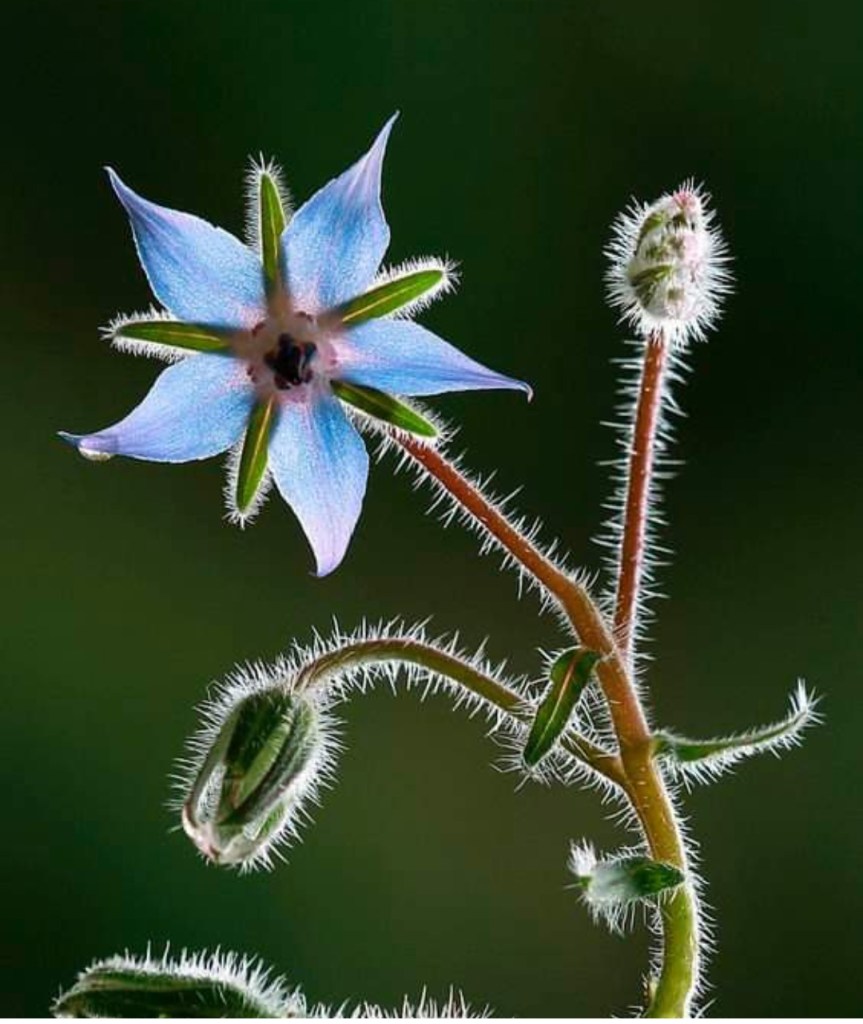
Borage
blue
BLACK flowers
includes:
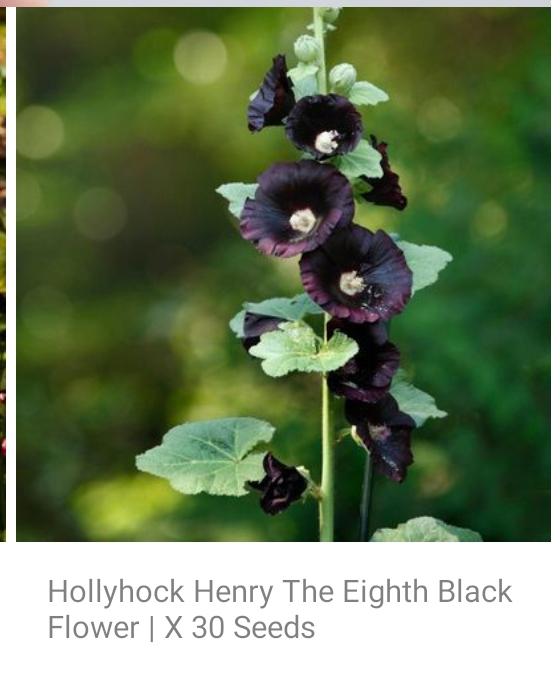
black hollyhocks – henry the 8th
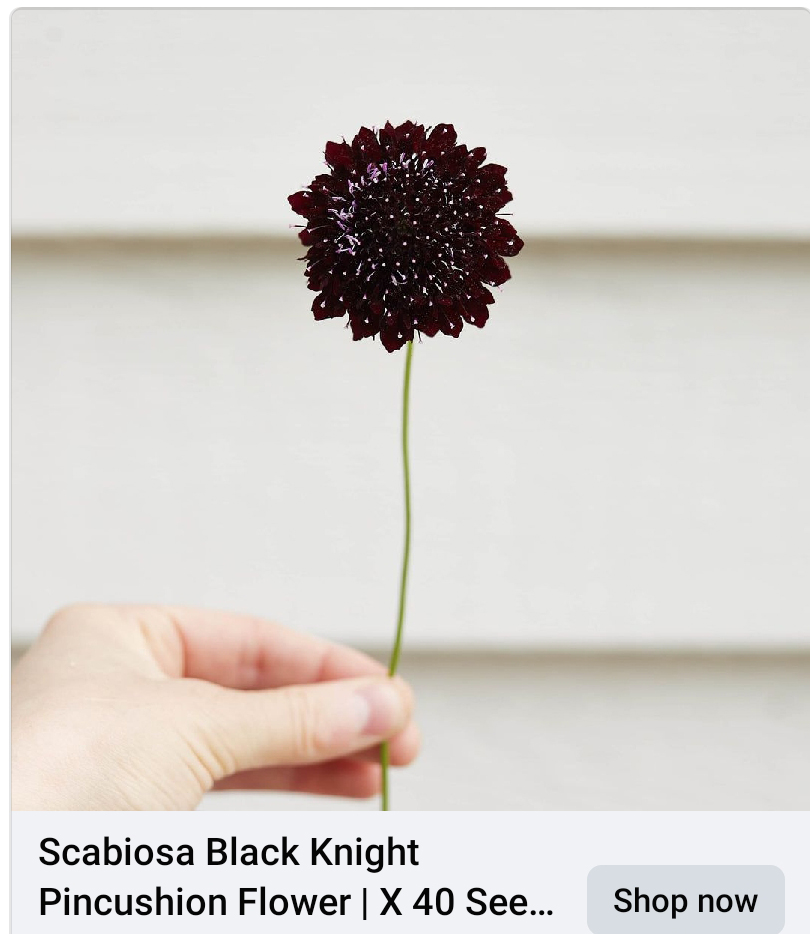
scabsiosa – black knight pin cushion flower
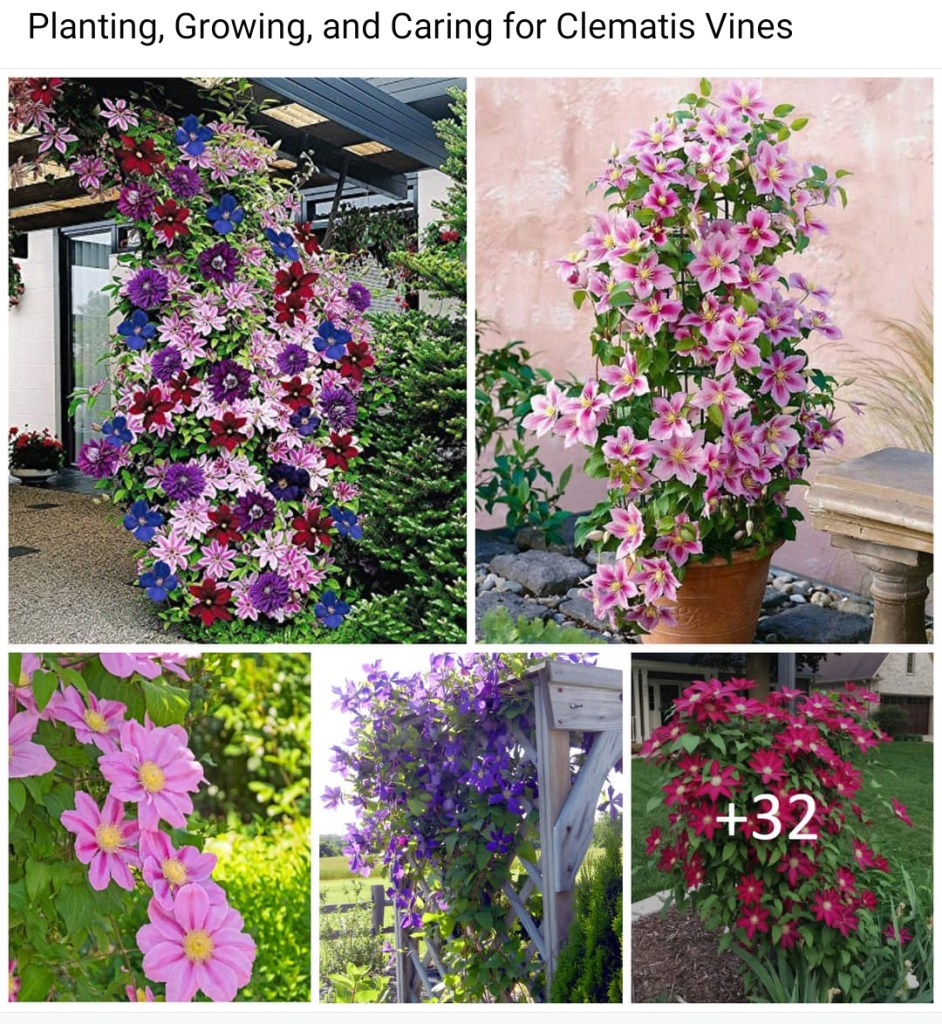
Clemantis
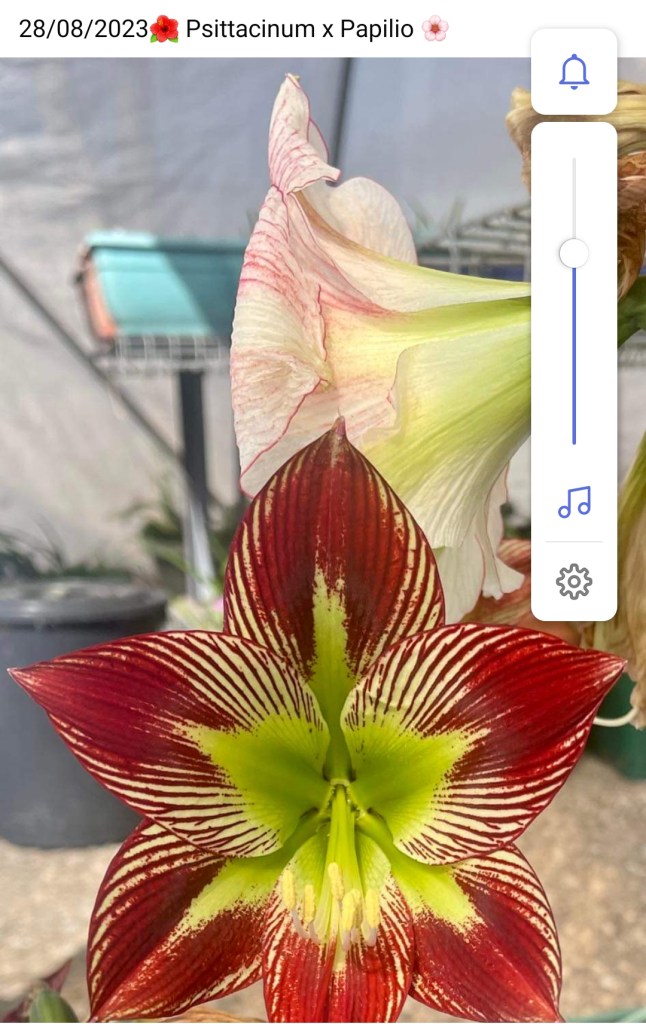
Hippyestrium . amarylildacae
dwarf wattle
https://nativeplantproject.com.au/product/dwarf-golden-wattle/
Dwarf Golden Wattle
Acacia drummondii ssp drummondii
With blue/green ferny leaves and bright yellow flowers from June to October this dwarf ornamental shrub is perfect for small gardens and rockeries. It prefers well drained soil and full sun to part shade. Moderately drought and frost resistant. Best sown in Spring or Autumn.
Approx: H: 0.6m W: 0.5m
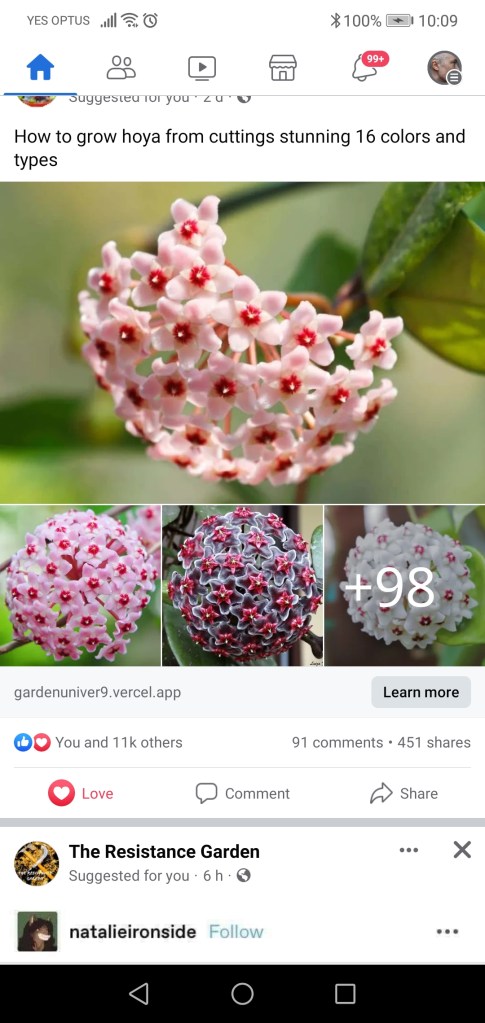
Hoya
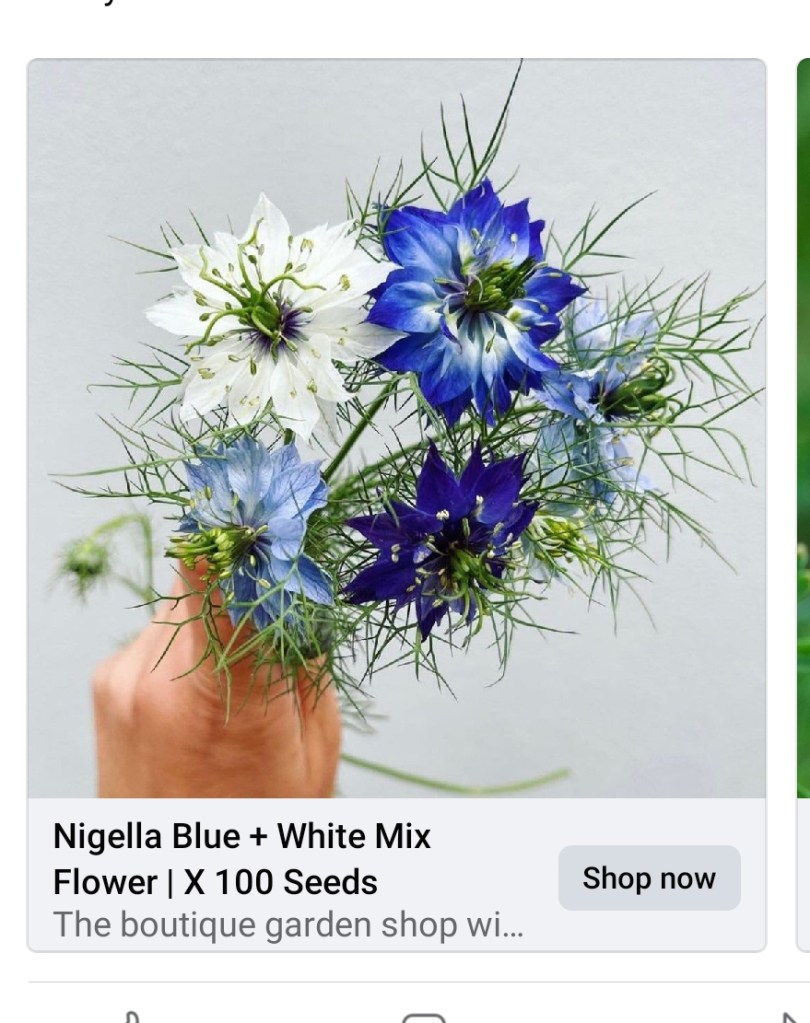
Love in the Mist
Magnolia at the back?
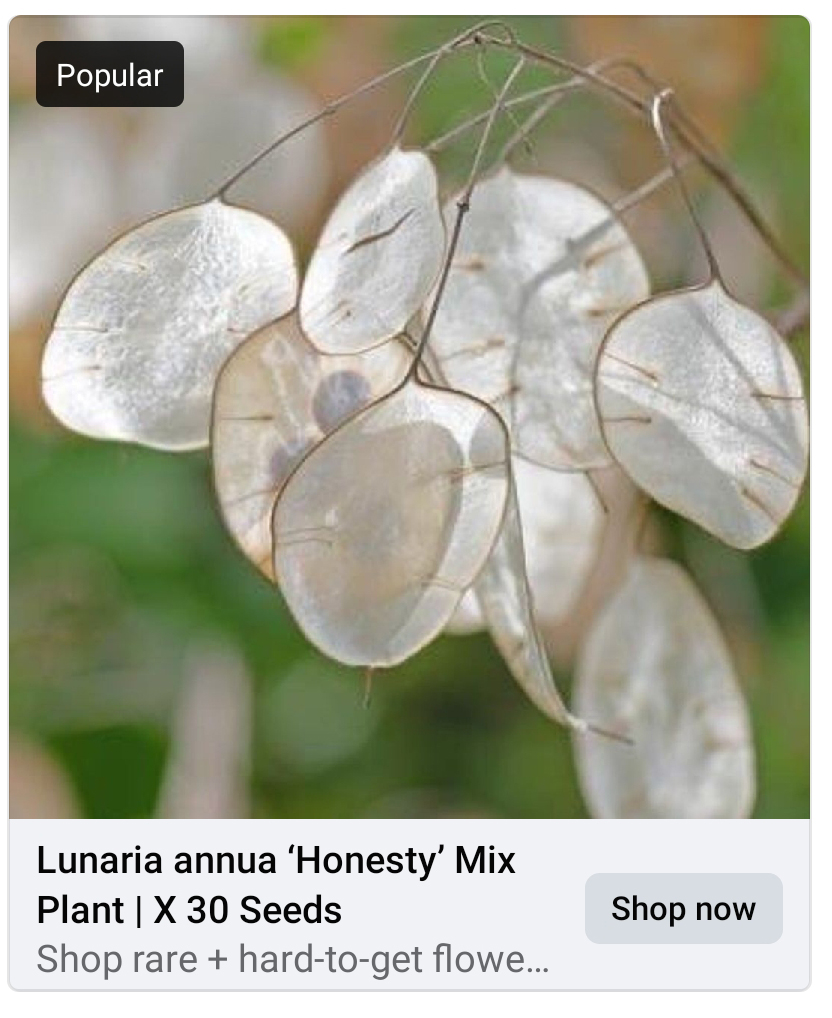
Penny Fortune/ honesty
poppies
-poppy seeds need to be exposed to cold temperatures to germinate.
-you can plant in either autumn [this is when they naturally go to seed]] or early spring to ensure they go through this cold phase before the season warms up
–Papaver somniferum, one of the few species of poppy that produces opium, is an annual plant with a growth cycle of 120 days. Farmers plant seeds, which range in color from white to yellow to brown and gray, in shallow holes. Within six weeks a cabbage-like plant emerges. It takes eight weeks for the poppy plant to grow about one to two feet. Each poppy has one long primary stem with secondary stems called tillers. As the plant continues to grow, a bud develops at the tip. After 90 days, the bud blossoms into a flower with four petals in a variety of colors. The petals fall away to reveal a green pod or ghozah that will continue to grow to the size of an egg. Inside the pod is the ovary
Cut leaf Daisy – indigenous to Darebin area. – Brachyscome multifida
-purple blooms, soft foliage that forms a dense, weed suppressing mat
-drought tolerant once established
-thrives in pots, rockeries
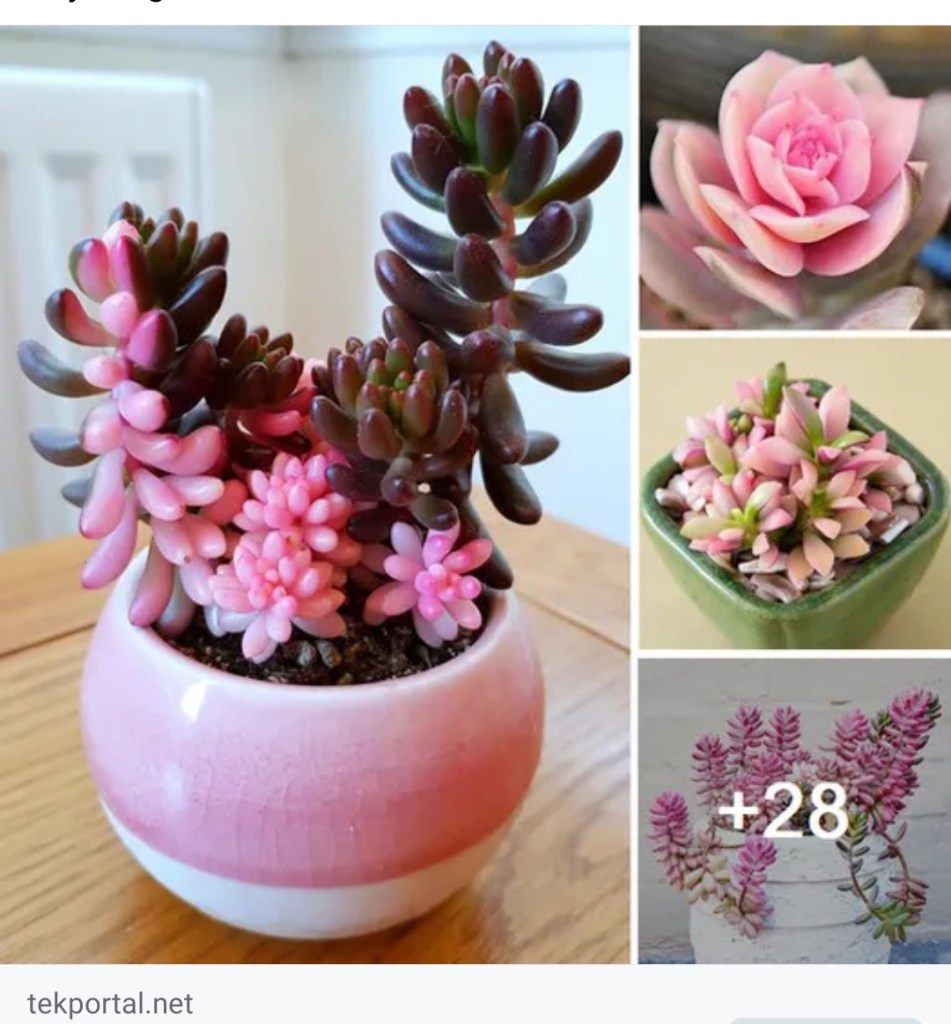
succulents
wisteria – for the pergola
OTHER INSPIRATION
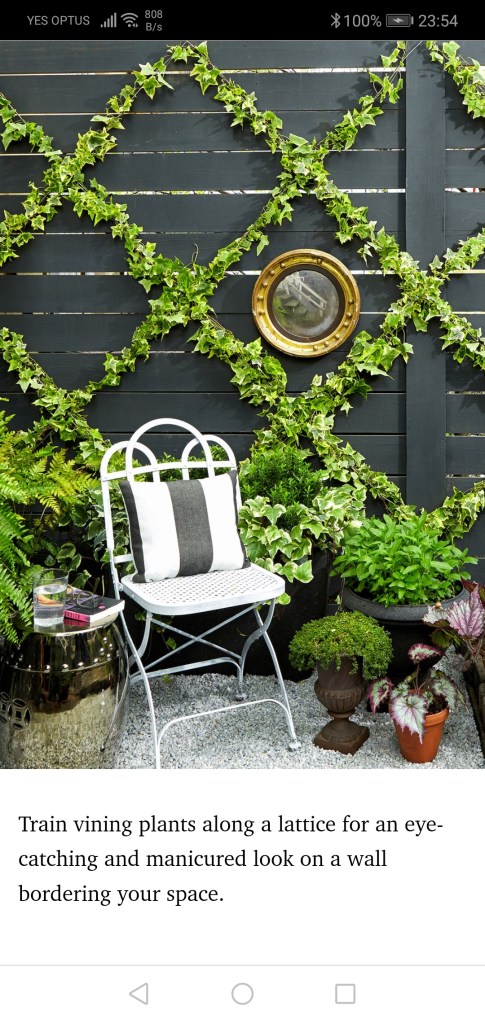
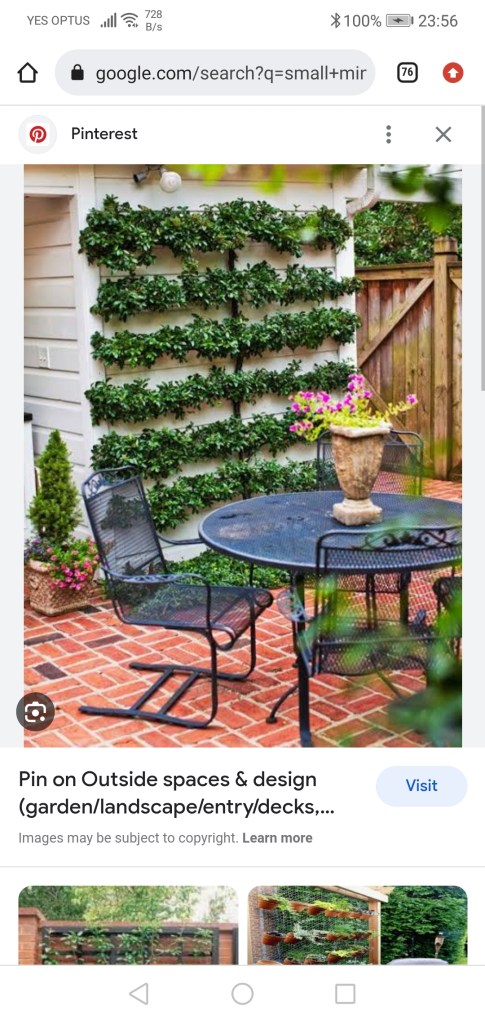
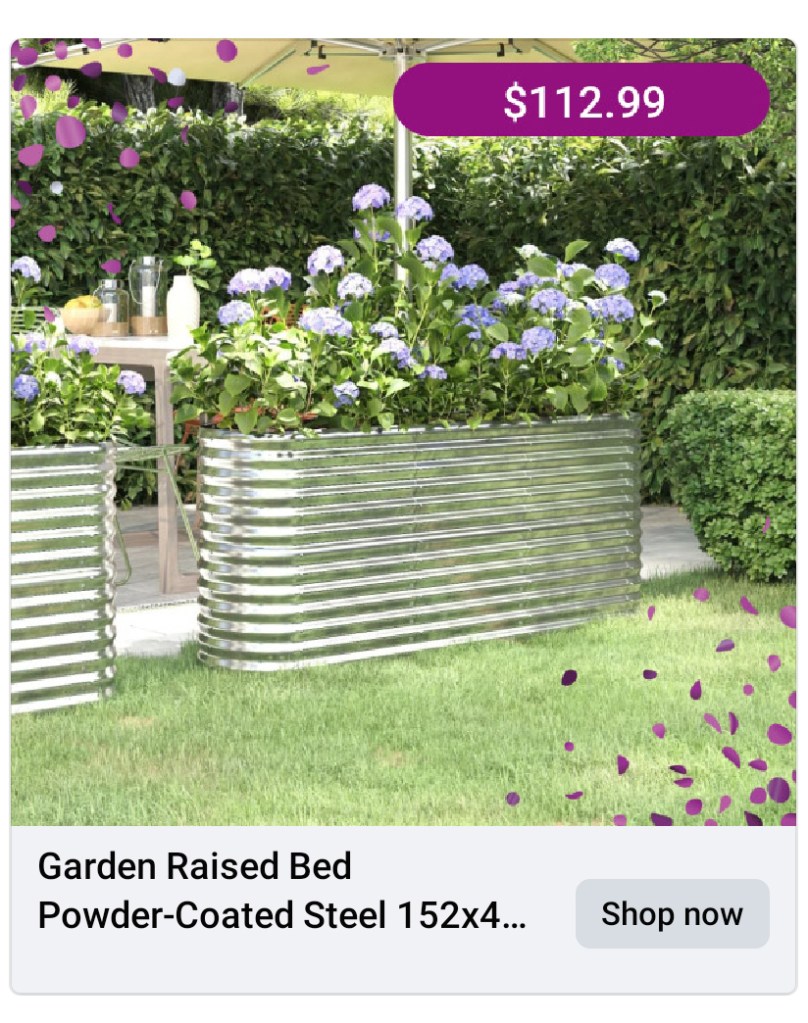
raised garden beds! for layers/levels
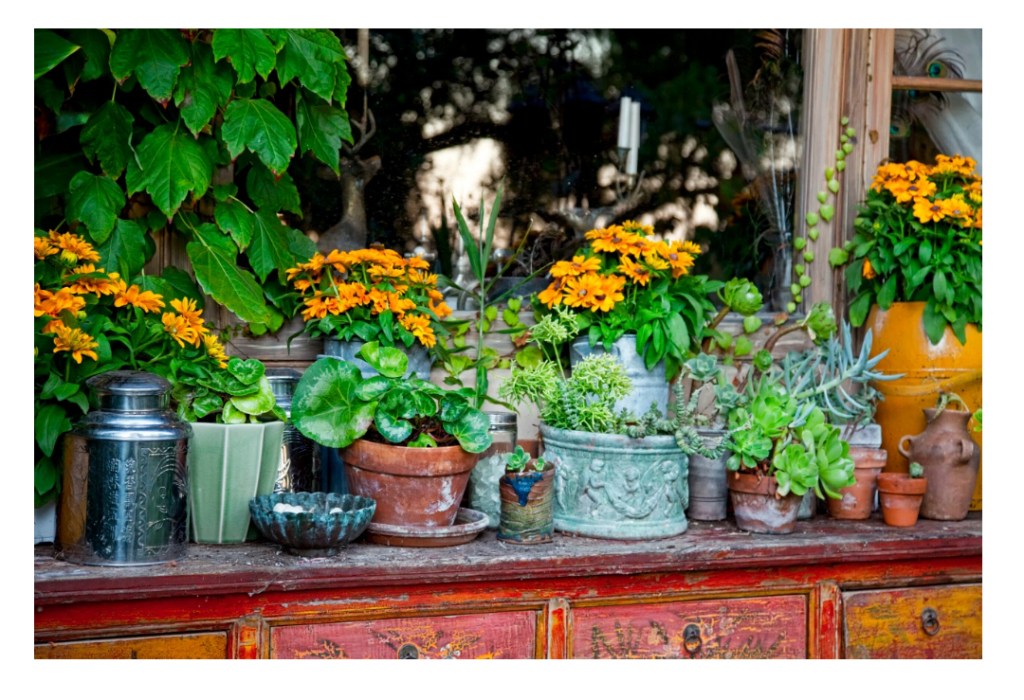
things in old pots


 burrows & co